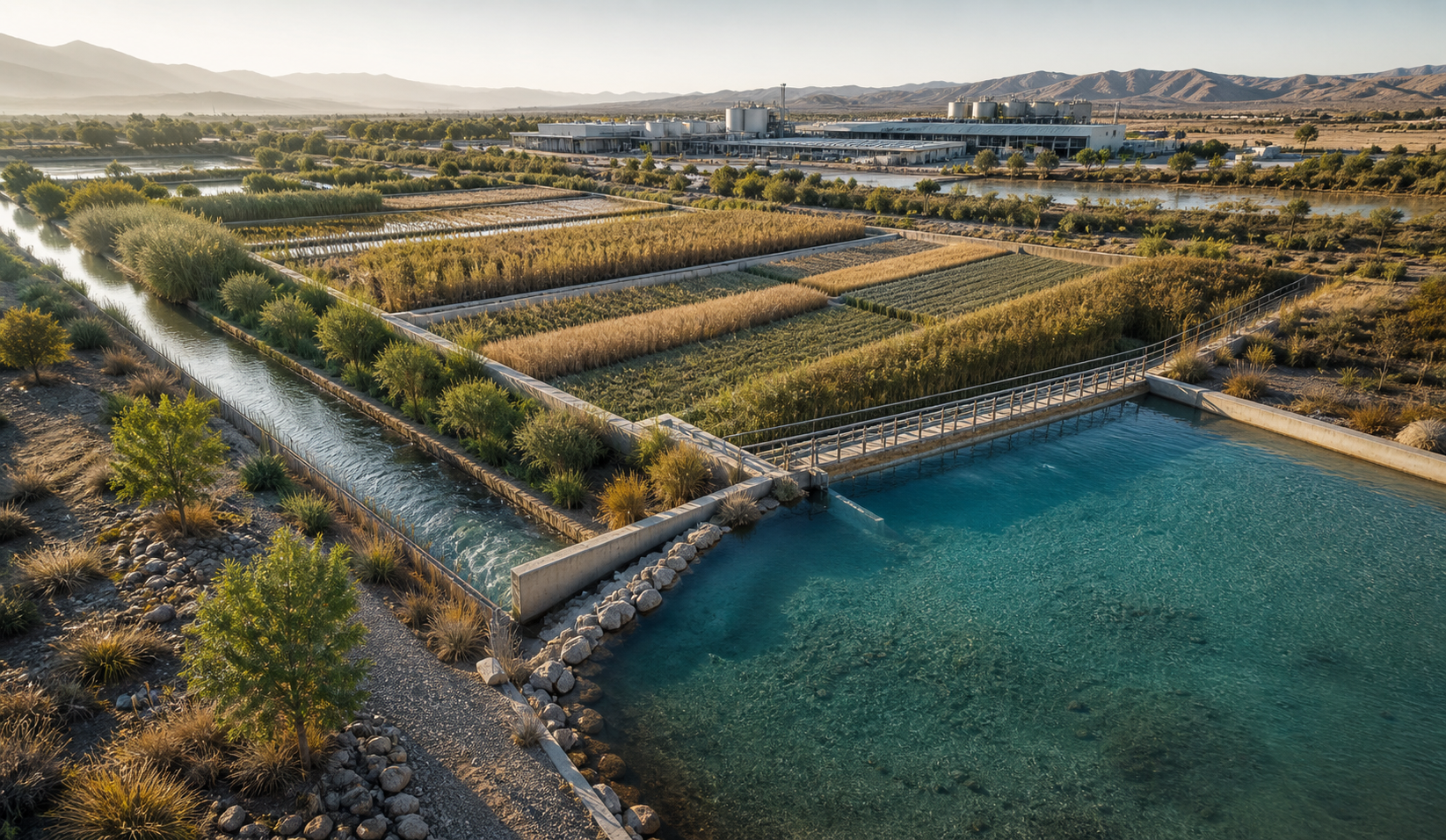
Thematic impact investing in water starts with two tests, not one. The theme must point to a durable change in the real economy, and each investment must have a credible route to a positive, measurable water outcome. A broad label such as water security or climate resilience is not enough.
For family offices and sophisticated private-market investors, this distinction matters. Water treatment, reuse and monitoring can serve customers with urgent operating needs. Yet a company can sit inside an attractive water theme while having weak contracts, poor margins or little evidence of impact. It can also produce a useful product without showing that investor capital will make a meaningful difference.
This guide explains how to turn a water theme into a testable private-company strategy. It covers customer demand, revenue models, measurement, investor contribution, portfolio construction, governance and risk. It is not a guide to public funds, company fundraising or personal financial advice, and it does not promise any investment outcome.
Separate a theme from an impact mandate
The first job is to keep three related ideas separate. Thematic investing selects exposure to a long-term trend or structural change. Environmental, social and governance analysis looks at sustainability factors that may affect an investment. Impact investing intentionally seeks a positive, measurable outcome alongside a financial return.
The Principles for Responsible Investment, CFA Institute and Global Sustainable Investment Alliance use this distinction in their shared definitions. They describe thematic investing as selecting assets to access specified trends, while impact investing adds an intention to contribute to measurable solutions. [1]
A water theme may include companies linked to scarcity, ageing infrastructure, pollution control, reuse, desalination, industrial efficiency or digital monitoring. Those links help define a search area. They do not prove impact and they do not prove investment quality.
Market language is not consistent. Searches for thematic investment strategies, thematic investing ESG, ESG thematic investing and positive impact investing can lead to overlapping products. Investors should look past the label and test the actual mandate, assets, evidence and ownership practice.
An impact mandate adds a clear outcome. It might seek to increase safe reuse, reduce pollutant loads, improve reliable access, lower losses or reduce freshwater use per unit of production. The mandate should say who or what benefits, how the change will be measured and what level of evidence is required.
It should also state the financial boundary. Direct private water companies can be illiquid, concentrated and capital intensive. Some sell equipment, some earn recurring service fees, and some need to finance assets before revenue arrives. A sound mandate does not reduce its commercial standard because the environmental purpose is attractive.
The practical result is a two-part screen:
- Theme fit: does the company address a defined water challenge through a product or service that customers use?
- Impact fit: does the investment intentionally support a measurable outcome, with evidence and active management?
A company can pass one test and fail the other. Keeping that possibility visible helps an investment committee avoid using the word impact as a shortcut.
Why water can support a credible long-term theme
Water is not one simple market. It is an input to food, energy, mining, manufacturing, cities and ecosystems. Local conditions differ, but the commercial problem often appears in a form a customer can recognise: unreliable supply, rising treatment cost, a discharge limit, a production constraint or a need for better operating data.
The World Bank has described a large gap between current water spending and what is needed for a water-secure future. Its work also notes that private finance remains a small part of total water spending and recommends stronger sector efficiency, creditworthiness and risk allocation to attract long-term capital. [2]
This financing need is useful context. It is not a market-size claim for every technology company. Much water spending goes to public networks, utilities and infrastructure projects. A private company must still show a reachable customer, an approved budget and a route through procurement.
For direct investors, water can support a theme because several demand drivers may reinforce each other:
- Continuity: a site needs water of the right quality to keep production running.
- Cost: the customer pays for freshwater, discharge, energy, chemicals, labour or lost output.
- Capacity: water availability or discharge consent limits expansion.
- Compliance: permits and customer standards can require treatment, testing or reporting.
- Resilience: operators may need more flexible sources, storage, reuse or early warning.
The strongest businesses know which driver releases a budget. A customer may like a sustainability benefit, but the purchase order may depend on avoided downtime or lower total treatment cost. Investors should trace the theme from the broad trend to that specific buying decision.
Water Investment Network’s guide to impact investing in water provides the parent framework for commercial and impact diligence. Thematic analysis sits below that framework. It narrows the opportunity set, but it does not replace company-level proof.
Build the theme around paying customer problems
A useful theme is narrow enough to guide sourcing and broad enough to support several business models. Starting with a technology label can create blind spots. Starting with a customer problem often gives a clearer map.
Consider industrial water reuse. The theme is not simply equipment that cleans water. The investable problem may be a factory that cannot expand because freshwater or discharge capacity is constrained. Possible solutions include membrane systems, biological treatment, monitoring, service contracts and financing structures. Different companies may address the same constraint with different economics.
Map each sub-theme through six questions:
- Who owns the water problem inside the customer?
- What financial or operating loss makes the problem material?
- Which budget pays for the solution?
- What evidence is needed before procurement will approve it?
- How long does a sale, installation and acceptance cycle take?
- What causes a customer to renew, expand or buy again?
This turns a theme into a commercial hypothesis. The investor can test whether the same problem appears across customers, whether the product is repeatable and whether growth reduces or increases complexity.
Revenue models change the risk. Equipment sales may produce meaningful revenue at delivery, but orders can be uneven and working-capital needs high. Service contracts may improve visibility while placing operating performance on the provider. Software can earn subscriptions, but only if the information changes decisions and customers keep using it. Consumables can deepen lifetime value while adding supply and quality duties.
Ask for achieved gross margin after installation, commissioning and field support. Separate standard product revenue from one-off engineering. Reconcile signed contracts, accepted orders, recognised revenue and cash receipts. A large pipeline is not the same as funded demand.
Customer concentration deserves a direct view. An early company may depend on one industrial group or channel partner. That can be a sensible entry point, but the investment case should explain what transfers to the next customer and what remains specific to the first site.
The theme should therefore be written as a chain: structural pressure, paying customer problem, repeatable solution, revenue model and measurable outcome. If any link depends on a vague assumption, the team has found a diligence task rather than an investment fact.
Use an investment thesis that links commerce and impact

A short thesis table helps a family office compare opportunities without forcing very different water businesses into one score. The entries should refer to documents and field evidence, not market slogans.
| Thesis element | Evidence to request | Decision question |
|---|---|---|
| Structural driver | Current rules, water constraints, customer costs and approved capital plans | Is the theme connected to real spending? |
| Economic buyer | Budget owner, contract owner, procurement route and reference calls | Who can approve the purchase and why now? |
| Commercial proof | Paid deployments, renewal, backlog, invoices, cash and achieved margin | Is demand repeatable and economically useful? |
| Delivery model | Standard design, installation time, supplier capacity and service burden | Can the company grow without multiplying custom work? |
| Defensibility | Field data, know-how, approvals, integration and switching costs | Why should value remain with this company? |
| Impact outcome | Baseline, boundary, measured change, data owner and adverse effects | Is the outcome material and verifiable? |
| Investor contribution | Use of funds, engagement plan, milestone and counterfactual | What can this investment reasonably change? |
| Downside | Runway, delays, concentration, technical limits and future funding | What breaks the thesis and who bears the loss? |
| Liquidity | Strategic buyer logic, comparable capabilities and capital structure | Which exits are plausible without being promised? |
The table should include disconfirming evidence. If an industrial reuse company relies on a short payback, model lower freshwater prices, higher energy use and a delayed acceptance test. If a monitoring platform relies on renewal, examine actual user activity and the action taken after alerts.
Do not give every row the same weight. A proven service business may carry operating and financing risk. A young equipment company may carry validation and concentration risk. A digital product may have attractive gross margins yet still depend on hardware reliability and long enterprise sales.
A good thesis names the next proof point. It may be a paid conversion, a second-site deployment, a verified operating period, a standard installation completed within budget or a reference customer in a new sector. Capital, governance and reporting should connect to that proof point.
The use-of-funds plan should make this connection visible. Growth capital may support inventory, a standard manufacturing cell, a service team, certifications or customer-financed installations. For each item, ask what capability it creates, when that capability begins to earn revenue and what evidence will show that it works.
Valuation should not rely on the size of the global water problem. Compare the company with businesses that share its revenue model, maturity, margin, growth quality and capital needs. A software multiple may be unsuitable for a company that carries hardware and field-service costs, even when its monitoring platform is valuable. An infrastructure comparison may be unsuitable for a company without contracted project cash flows.
The thesis should also identify who has to cooperate. A technically strong product may depend on an engineering partner, original equipment manufacturer, utility, laboratory or local distributor. Review incentives, exclusivity, performance duties and the risk that the partner controls the customer relationship.
Move from water activity to a measurable outcome
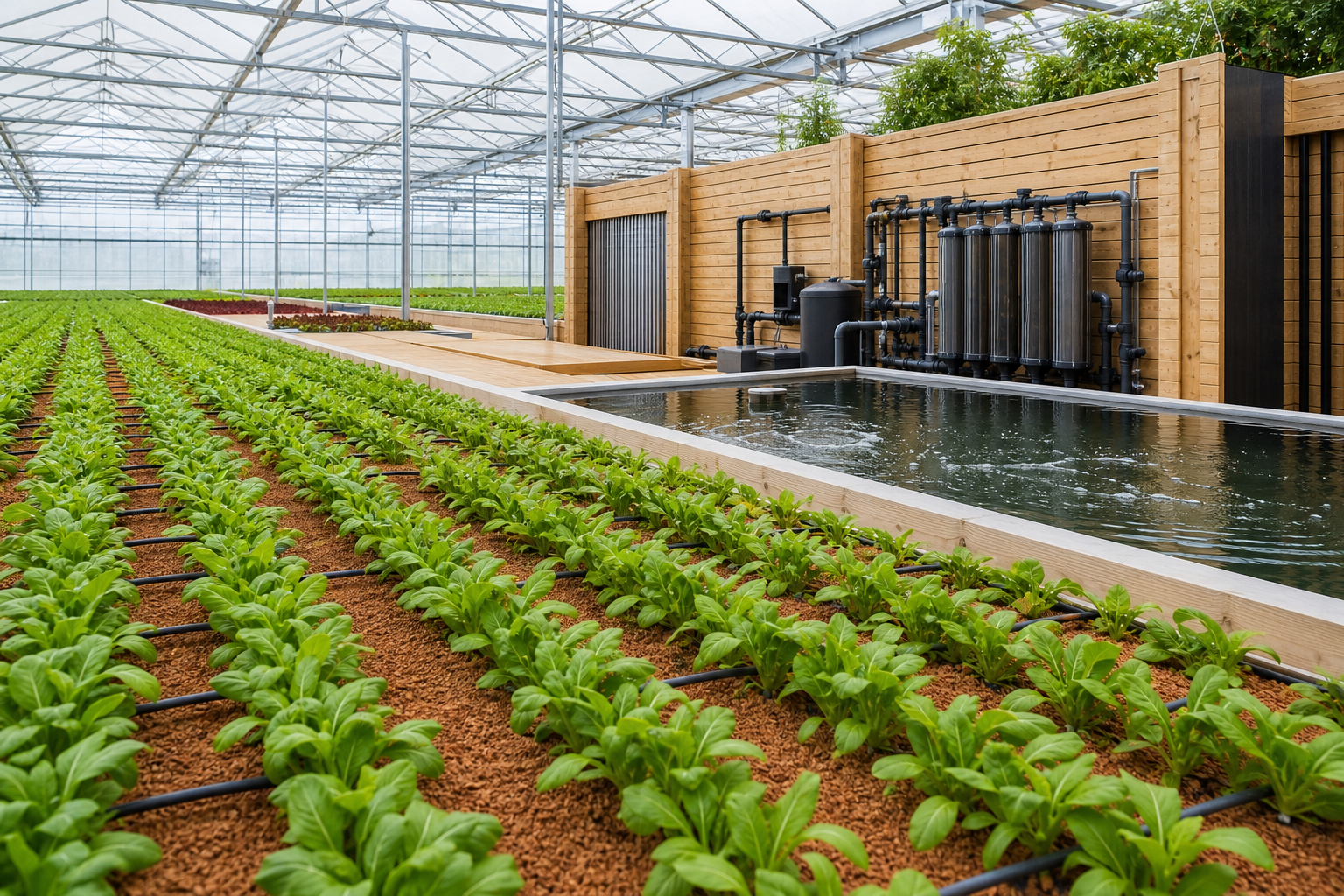
Impact claims become more useful when they follow the operating system. A treatment company should not report only installed capacity. A monitoring company should not report only sensors connected. These are activities or outputs. Investors need to understand the change that followed.
The Global Impact Investing Network’s guide describes impact investing through intentionality, financial return expectations and impact measurement and management. It places measurement inside the investment process rather than treating it as a later communications task. [3]
For a water company, a practical measurement chain has six parts:
- Problem: the water condition, cost or exposure before the solution.
- Baseline: a defined starting value for use, quality, loss, energy or reliability.
- Activity: equipment installed, service delivered or coverage provided.
- Output: water treated, tests completed, alerts generated or operating hours.
- Outcome: verified reuse, lower abstraction, reduced pollutant load or improved continuity.
- Contribution: the part of the change reasonably linked to the company and investment.
Each measure needs a unit, boundary, period, source and owner. A claim that water was saved is incomplete if production also fell or if treated water was discharged rather than reused. A pollution claim needs inlet and outlet quality, flow, sampling method and operating time. A loss-reduction claim needs to separate repaired leaks from changes in demand.
Commercial evidence should sit beside impact evidence. A system can treat more water while gross margin falls because fouling, energy or service visits exceed plan. A sensor network can generate accurate alerts while customers fail to act. The outcome and the revenue model must support each other.
Adverse effects also belong in the record. Treatment may consume energy, create brine or sludge, use chemicals or transfer a pollutant to another medium. A technology may improve one site while increasing supply-chain exposure elsewhere. These trade-offs do not automatically make an investment unsuitable, but hiding them weakens the claim.
The objective is not to create a perfect number. It is to create evidence that can be reconstructed and challenged. Early companies can begin with a small set of material measures, clear definitions and consistent controls.
Test investor contribution and guard against impact washing
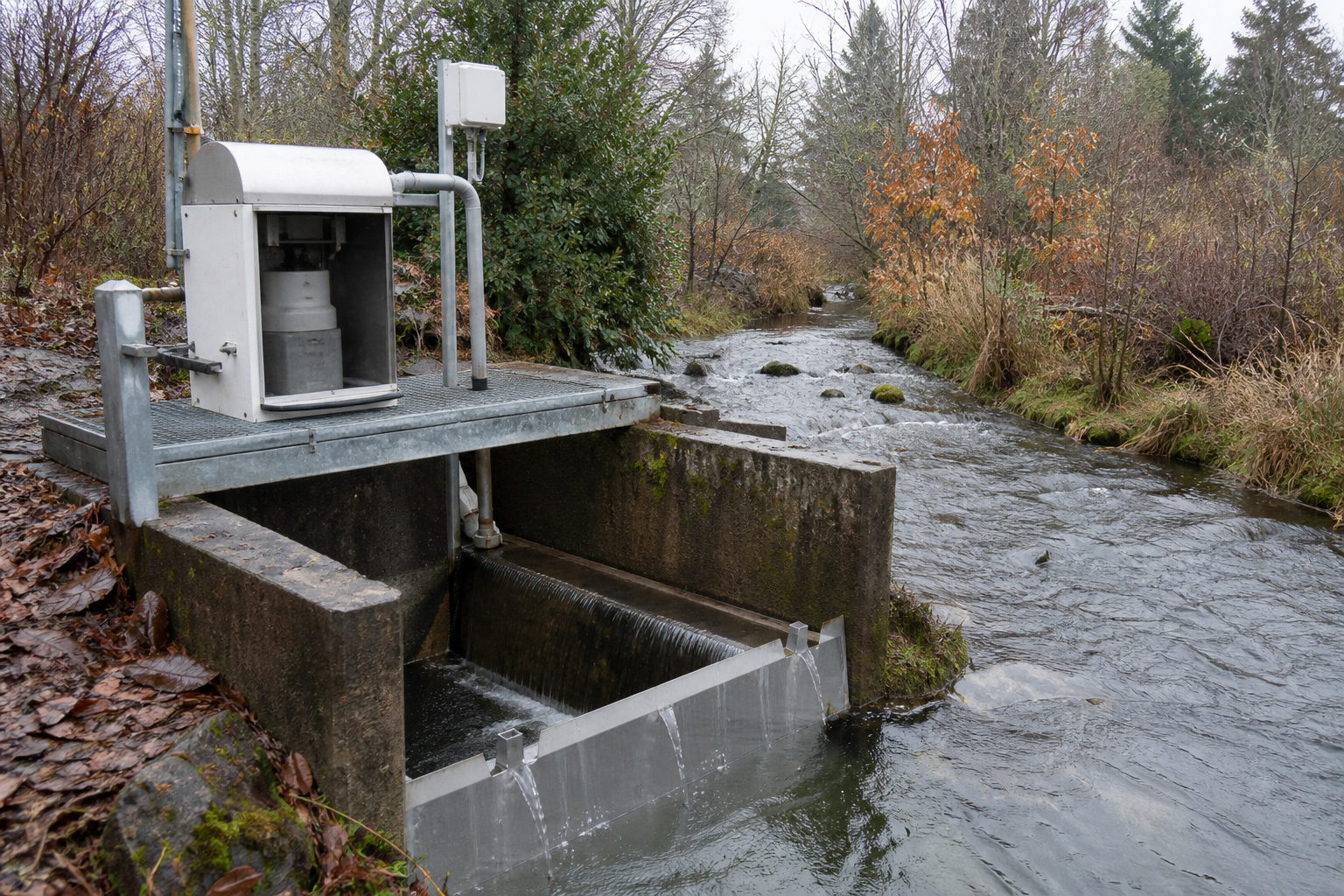
Company impact and investor contribution are related, but they are not the same. A company may produce a positive water outcome before a new investor arrives. The investor should therefore state what its capital or engagement is expected to change.
Possible contributions include funding a commercial deployment, building standard manufacturing capacity, supporting entry into a water-stressed market, strengthening governance or improving the quality of impact data. The claim should be proportionate. One investment rarely deserves credit for the full outcome produced by an established company.
Ask a simple counterfactual question: what is reasonably likely to happen without this capital and engagement? The answer may be a slower rollout, a smaller project, different financing or no material change. Management evidence, board plans and other funding options should inform the view.
The International Finance Corporation says the Operating Principles for Impact Management create a common discipline for integrating impact through the investment life cycle. Signatories make public disclosures and arrange independent verification of alignment. [4]
A private investor does not need to copy every institutional process. The useful principles are clear intent, evidence before investment, monitoring during ownership and honest reporting at exit. A small family office can apply these through an investment memorandum, reserved matters, board reporting and a claim ledger.
The OECD has also called for more harmonised impact management and measurement while retaining context where it is needed. It stresses transparent, comparable data and the need to reduce impact washing. [5]
Warning signs include:
- calling all revenue from a water company impact revenue;
- using installed capacity as if it were verified use;
- claiming avoided water use without a credible baseline;
- taking full credit for customer outcomes;
- reporting only positive indicators and excluding material trade-offs;
- changing definitions between periods without a reconciliation; and
- using a global water need to justify a company with weak local demand.
A good claim remains narrow enough to verify. This usually makes it more persuasive, not less.
Keep the original calculation files so later reports can explain changes instead of silently rewriting earlier results.
Diligence direct private water companies in the field
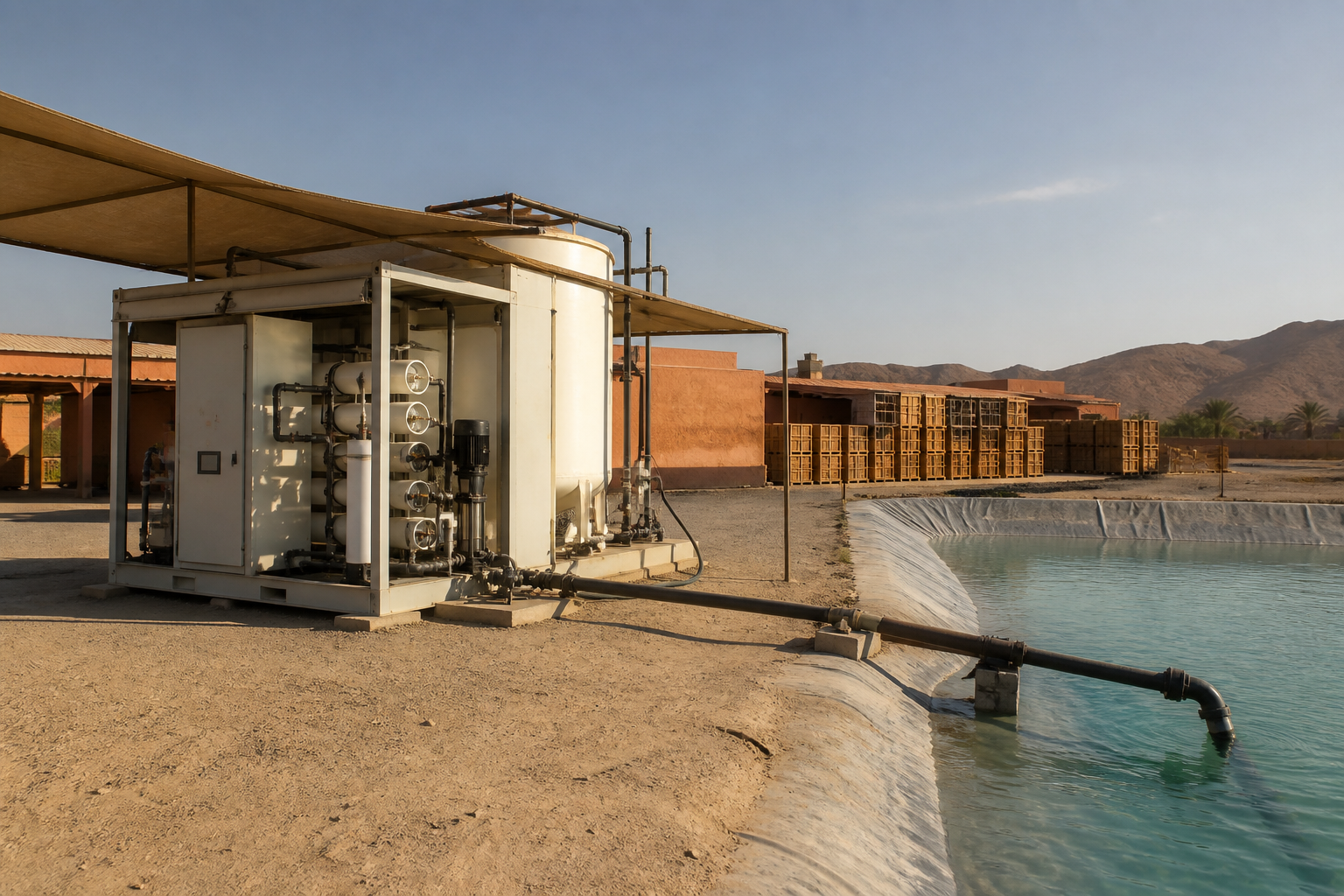
Thematic research can happen at a desk. Private-company diligence needs to reach the site, contract and operating record. Water performance depends on feed conditions, operator behaviour, maintenance and the customer’s wider process.
Start with technical boundaries. Ask what the solution treats, under which flow and quality conditions, for how long, and with what availability. Review failed or paused trials as well as successful references. Check whether performance was measured by the company, customer or an independent party.
Then translate technical performance into customer economics. Include equipment, installation, civil works, energy, chemicals, consumables, labour, waste disposal, downtime and financing. Compare the full cost with the customer’s present approach and with realistic alternatives.
Commercial diligence should trace a sample of sales from first contact to cash. Review proposal changes, decision makers, procurement steps, contract terms, acceptance tests, invoice dates and payment. This reveals whether reported sales cycles and margins reflect actual experience.
For recurring models, inspect renewal and usage. A service contract may contain minimum volumes, performance credits or termination rights. A software subscription may be live while few people use the data. A consumables stream may depend on one supplier or a warranty condition.
Delivery capacity is often the hidden scale constraint. Review engineering hours, standard parts, supplier lead times, commissioning, remote support and site visits. Growth that requires senior founders at every installation is not yet repeatable.
Intellectual property should be viewed with operating know-how. Patents may matter, but so can application data, process integration, customer approvals, service history and switching costs. Confirm ownership, employee assignments, licences and freedom-to-operate work where relevant.
Regulation needs exact treatment. Identify the rule, jurisdiction, effective date, obligated party and technical options. Do not present an EU requirement as UK law, or one Gulf market’s rules as a regional standard. A regulatory driver can support demand and still produce slow procurement.
Finally, reconcile impact data with the same operating files used for commercial diligence. Flow records, laboratory reports, customer invoices and service logs should tell one story. If the impact figure cannot be linked to site evidence, label it as an estimate and state the limitation.
Construct a private portfolio without hiding concentration
A thematic portfolio is not diversified merely because each company uses water in a different way. Several holdings may still depend on the same industrial cycle, regulation, supplier, geography or source of follow-on capital.
Map concentration by revenue model, customer sector, stage, geography, technology dependence and funding need. Equipment makers, treatment-service providers and digital monitoring companies can respond differently to the same customer pressure. That difference may improve portfolio balance, but only when the cash flows and risks are genuinely distinct.
Direct private investments add another layer. Valuations are not continuously observed, exits are uncertain and follow-on rounds can dilute ownership. A company may need more capital after a technical milestone but before commercial scale. The portfolio plan should reserve for this possibility without assuming that every holding will merit support.
Sequence can matter. An investor might begin with businesses that have revenue and field proof before adding earlier technical risk. Another may concentrate on one sub-theme where it has operating expertise. Both approaches can be coherent if the mandate, risk budget and governance capacity match.
Review correlations under a downside case:
- industrial capital spending slows;
- customer acceptance takes six months longer;
- energy or component costs rise;
- a major channel partner underperforms;
- a regulation is delayed or implemented differently; or
- private funding becomes more expensive.
Portfolio construction should also consider impact concentration. Several companies may all claim water savings at industrial sites while leaving water quality, access or ecosystem outcomes outside the mandate. That may be acceptable, but it should be a deliberate choice rather than a broad claim of covering the whole water theme.
Currency and jurisdiction can create further concentration for UK, European and GCC investors. Revenue may be earned in one currency while components, debt or investor reporting use another. Local ownership rules, tax, data handling, product approval and contract enforcement may affect the route to market. These matters need specialist advice for the exact company and country.
Liquidity planning should include time as well as exit value. Board work, follow-on decisions and reporting continue while an asset is held. A small portfolio of direct companies can demand more governance capacity than a larger portfolio of passive interests. The mandate should therefore set a realistic number of positions and define who can provide technical, commercial and legal support.
The Water Investment Network portfolio shows how treatment, membranes and monitoring create different commercial exposures. The purpose of a portfolio view is to understand those differences, not to treat every water label as a separate source of risk.
Set governance, reporting and exit expectations before investing
Governance turns an impact intention into an ownership practice. The investment documents and first board plan should define which commercial and impact information will be provided, who checks it and what happens when performance moves outside agreed limits.
Useful reporting can combine:
- revenue, gross margin, cash, backlog and customer concentration;
- deployment time, system availability, service visits and warranty events;
- water volume, quality, reuse, loss or other outcome measures;
- the baseline, boundary and data source behind each impact figure;
- energy, chemicals, waste and other material trade-offs; and
- progress against the use-of-funds milestone.
Board reporting should explain relationships. Higher treated volume may be positive while margins fall because operating costs are above plan. Fast customer growth may increase working capital. A strong impact number may come from one concentrated customer. Parallel financial and impact reports can miss these links.
Reserved matters and information rights should be proportionate to ownership. Investors may seek notice of material changes to the product, impact method, environmental claims, capital plan or key contracts. These rights should support oversight without preventing normal operations.
Exit thinking also needs discipline. Possible routes include a strategic acquisition, secondary sale, private-equity transaction or recapitalisation. None is assured. A buyer may value customer access, a validated treatment capability, proprietary operating data, recurring service income or an established delivery team.
Impact continuity at exit should be considered in advance. The investor can assess whether a buyer is likely to maintain the product and measurement practice, but it should not promise outcomes it cannot control. Exit terms, governance transition and reporting can support continuity within practical limits.
Strong optionality usually comes from the same qualities that support commercial resilience: repeat customers, standard delivery, credible margins, protected know-how, a capable team and records that survive diligence. Impact evidence can strengthen this picture when it is linked to customer value and can be independently understood.
Prepare the investment committee decision
The final paper should distinguish fact, management representation, estimate and investor judgement. This makes uncertainty visible and prevents a broad theme from carrying more weight than company evidence.
A concise decision record can use five findings:
- Theme: the structural driver, paying customer problem and reason demand may persist.
- Company: the achieved commercial proof, delivery model, margin and cash need.
- Impact: the intended outcome, baseline, measurement and material trade-offs.
- Contribution: the specific change expected from capital and engagement.
- Transaction: valuation, terms, governance, dilution, follow-on needs and liquidity.
List evidence gaps with owners and dates. Some may be conditions before completion, such as a customer reference, intellectual-property assignment or reconciliation of impact data. Others should remain explicit risks reflected in price, structure and monitoring.
Model operational downside rather than using only a lower valuation. Extend the sales cycle, delay acceptance, reduce gross margin, add service visits and include another funding round. Then test cash runway, ownership and the time needed to reach the next proof point.
A thematic impact decision should answer two separate questions. Is this a commercially credible way to gain direct exposure to the water theme? Is the intended impact and investor contribution credible enough for the mandate? A yes to one does not force a yes to the other.
Direct private investments can lose value, remain illiquid for longer than expected and require further capital. Eligibility for an opportunity does not remove the need for independent legal, tax, financial, technical and commercial advice.
Frequently asked questions about thematic impact investing
What is thematic impact investing?
It combines exposure to a defined long-term theme with an intention to support a positive, measurable outcome alongside a financial return. Theme fit alone does not prove impact or commercial quality.
Is a water-themed investment automatically an impact investment?
No. The investor should define the intended outcome, measurement method and contribution. The company must also show credible customer demand, economics and operating evidence.
How is thematic impact investing different from ESG analysis?
ESG analysis considers sustainability factors that may affect an investment. A theme selects exposure to a structural trend. Impact investing adds intentionality, measurement and active management of a positive outcome.
Which water impact measures are useful?
The measure should follow the business model. Examples include verified water reused, pollutant load reduced, freshwater abstraction avoided, loss detected and system availability. Every measure needs a clear baseline and boundary.
What are the main private-market risks?
Risks include technical performance, slow procurement, customer concentration, bespoke delivery, working capital, future funding, impact overstatement, illiquidity and uncertain exit timing.
Explore water-focused thematic impact opportunities
A credible water theme connects a long-term need to customers that pay, companies that can deliver repeatedly and outcomes that can be measured without exaggeration. The work is detailed because the label is broad.
Eligible family offices, high-net-worth individuals, sophisticated impact and private-equity investors, and relevant advisers can request access to Water Investment Network to explore selected direct opportunities in private water-technology companies.
Access is invitation-only and subject to eligibility and availability. Every opportunity requires independent diligence. Water Investment Network does not provide regulated financial advice, recommend public securities or guarantee investment outcomes.
Sources
- https://public.unpri.org/investment-tools/definitions-for-responsible-investment-approaches/11874.article
- https://www.worldbank.org/en/topic/water/publication/funding-a-water-secure-future
- https://thegiin.org/assets/documents/GIIN_impact_investing_guide.pdf
- https://www.ifc.org/en/our-impact/impact-investing-at-ifc
- https://www.oecd.org/en/publications/towards-harmonised-management-and-measurement-of-impact_6c9891e9-en.html