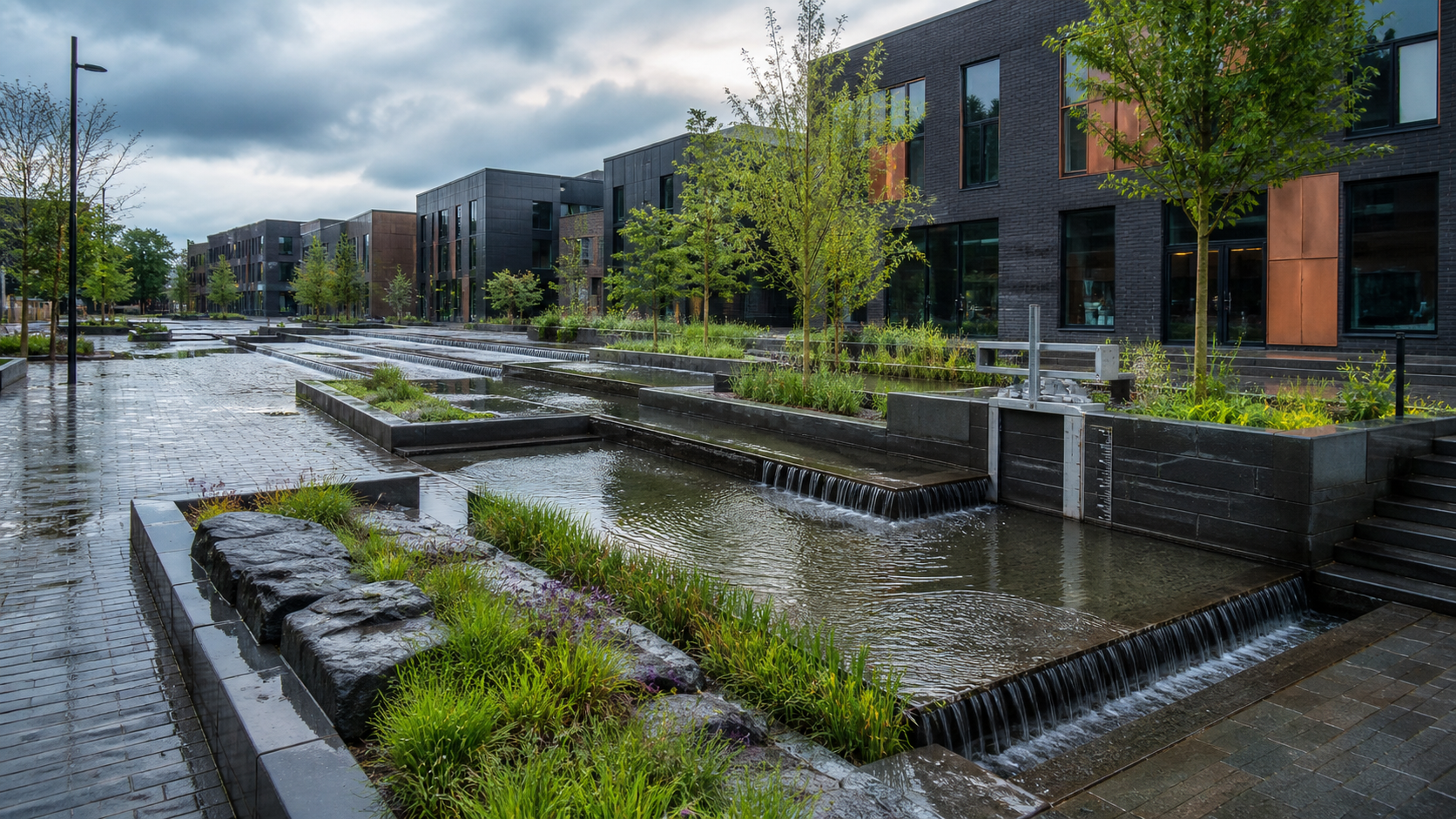
Climate investing is often discussed through energy, transport and carbon. Water deserves a place in the same investment conversation. Drought, flooding, changing water quality and unreliable supply can disrupt factories, farms, cities and power systems. The commercial response includes treatment, reuse, monitoring, storage and efficiency.
For family offices and sophisticated private-market investors, water creates two climate routes. The first is adaptation, which helps customers operate through physical change. The second is mitigation, which reduces emissions or energy use linked to water activities. A company may support one route, both routes or neither, despite using climate language.
This guide explains how to test a direct private-company opportunity. It connects climate relevance to customer demand, revenue, margins, scale, evidence, regulation and downside risk. It does not cover public-market funds, company fundraising or personal financial advice, and it does not promise any investment outcome.
Define climate investing before selecting a water company
Climate investing allocates capital to businesses, assets or activities linked to climate-related risks and opportunities. The label is broad. Investors need a clear mandate before reviewing a company, because climate exposure is not the same as climate impact.
The United Nations Framework Convention on Climate Change describes climate finance as finance from public, private and alternative sources that supports mitigation and adaptation. Mitigation addresses the causes of climate change. Adaptation reduces harm and builds the ability to cope with its effects. [1]
Water technologies can sit on either side:
- Adaptation: reuse, alternative supply, leakage control, flood management and monitoring can improve continuity under changing water conditions.
- Mitigation: efficient pumps, lower-energy treatment, biogas recovery and process optimisation can reduce emissions linked to water services.
- Enabling activity: sensors, data and controls can help operators understand risk and manage systems, but their impact depends on customer action.
A water company should not be called a climate investment simply because water is affected by climate change. The product must address a defined risk or opportunity. It must also work as a business. A useful investment case shows who buys it, why the buyer acts, how revenue is earned and which climate outcome can be measured.
Climate change impact investing adds another layer. The investor intends to support a positive, measurable outcome alongside a financial return. This requires a baseline, evidence and an account of investor contribution. Buying into an attractive theme without these controls may still be thematic investing, but it is not automatically an impact mandate.
Start with a written boundary. State whether the mandate covers adaptation, mitigation or both. Define the customer groups, geographies and technologies that fit. Then list exclusions, such as businesses whose main revenue is unrelated to the claimed climate benefit.
This boundary protects decision quality. It prevents a broad climate story from replacing evidence about contracts, performance, capital needs and risk.
The mandate should also define how an opportunity enters and leaves the climate allocation. A company may qualify while its main growth plan supports resilience, then drift towards unrelated revenue. Annual review of revenue mix, product use and outcome evidence can identify that change before reporting becomes misleading.
Ownership stage matters too. A proven product seeking growth capital presents a different risk from a pre-commercial invention. Water Investment Network focuses on direct private-company opportunities, so investors should state the maturity, revenue proof and route-to-profit requirements that apply before a climate theme can enter the pipeline.
Why water belongs in a climate investment thesis
Climate risk often reaches a business through water before it appears in an investment presentation. Too little water can constrain production. Too much water can damage sites and supply routes. Poorer source quality can increase treatment cost, while higher temperatures can change process needs.
The Intergovernmental Panel on Climate Change assesses current and future changes in the water cycle, water-related vulnerabilities and adaptation responses. Its water chapter says water-related risks rise with each degree of global warming, although exposure, governance and local conditions shape the result. [2]
This does not mean every place experiences the same risk. It means company diligence must be local. A technology that solves scarcity at a factory in one basin may have little value at a site with secure supply. A flood-monitoring system may matter greatly in one city and poorly match another customer’s budget.
Water creates a useful climate thesis when the physical risk meets a paying customer problem. Common routes include:
- production limits caused by unreliable water supply;
- higher treatment cost after changes in source quality;
- business interruption from flooding or drainage failure;
- the need to reuse water where abstraction or discharge is constrained;
- energy and emissions linked to moving, heating or treating water; and
- poor operating data that delays action or hides losses.
The World Bank’s synthesis of country climate reports describes water as a key route through which climate change affects agriculture, energy, health and infrastructure. It also says water actions can support both adaptation and mitigation, while better governance and policy are needed to attract private participation. [3]
For an investor, that evidence is a starting point, not a sales forecast. The opportunity is not the size of the climate problem. It is the part of the problem that a specific company can serve repeatedly at an acceptable margin.
The private-market guide to impact investing in water sets the wider commercial and impact framework. A climate lens narrows that framework to physical risk, transition effects and measurable resilience or emissions outcomes.
Trace climate risk to a funded customer decision
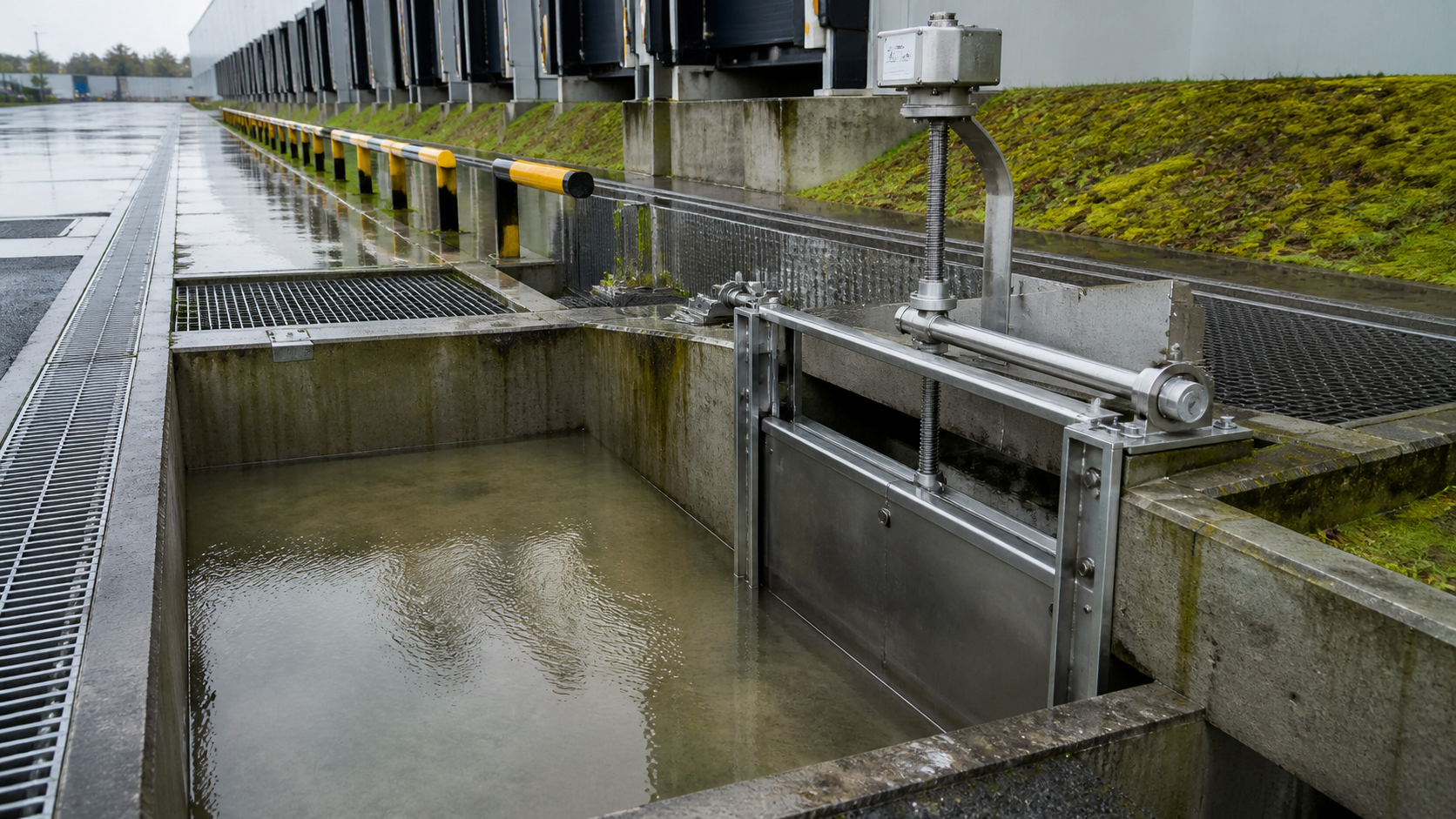
A strong climate thesis follows a chain from hazard to budget. It does not jump from global concern to company revenue. Each link should be supported by site evidence, customer records or a clear operating assumption.
Begin with the hazard. This may be drought, variable rainfall, flooding, heat, water-quality change or higher energy use. Then identify exposure. Which factory, farm, building or utility process depends on the affected water service? Finally, test vulnerability. Does the customer have storage, alternative supply, insurance, flexible production or another way to cope?
Only after these questions should the investor assess the solution. A useful customer map covers:
- Economic loss: downtime, rejected product, water purchase, discharge cost, damage or extra energy.
- Decision owner: operations, engineering, sustainability, finance, risk or procurement.
- Available budget: operating expense, capital expense, compliance programme, insurance requirement or service contract.
- Proof threshold: pilot data, warranty, certification, reference site or independent test.
- Timing: tender cycle, shutdown window, permit date or capital-planning period.
The best buying reason is often practical. A manufacturer may adopt reuse because a site cannot expand within its water allowance. A commercial property owner may install monitoring because leakage damages equipment and raises operating cost. A utility may upgrade controls to improve network performance under variable supply.
Climate value can strengthen the case, but it may not release the budget by itself. Investors should ask management which benefit closes the sale and which benefit supports reporting after purchase. If the answers are different, the commercial model should reflect that.
Procurement evidence matters. Review signed orders, customer acceptance, invoice dates and cash receipts. Separate pilots from full commercial deployments. A paid pilot can still be useful, but its economics and conversion path should not be presented as mature recurring revenue.
Customer concentration can hide inside a strong climate story. One reference site may prove technical performance without proving a repeatable market. Ask what changes for the second, third and tenth customer. Standard design, clear integration and a short acceptance process usually matter more than a long list of possible sectors.
This discipline also reduces policy dependence. If customers buy only while a grant or temporary incentive exists, the company may have a fragile demand base. If customers buy because the solution protects output or lowers total cost, policy can be a tailwind rather than the whole thesis.
Separate adaptation economics from mitigation economics
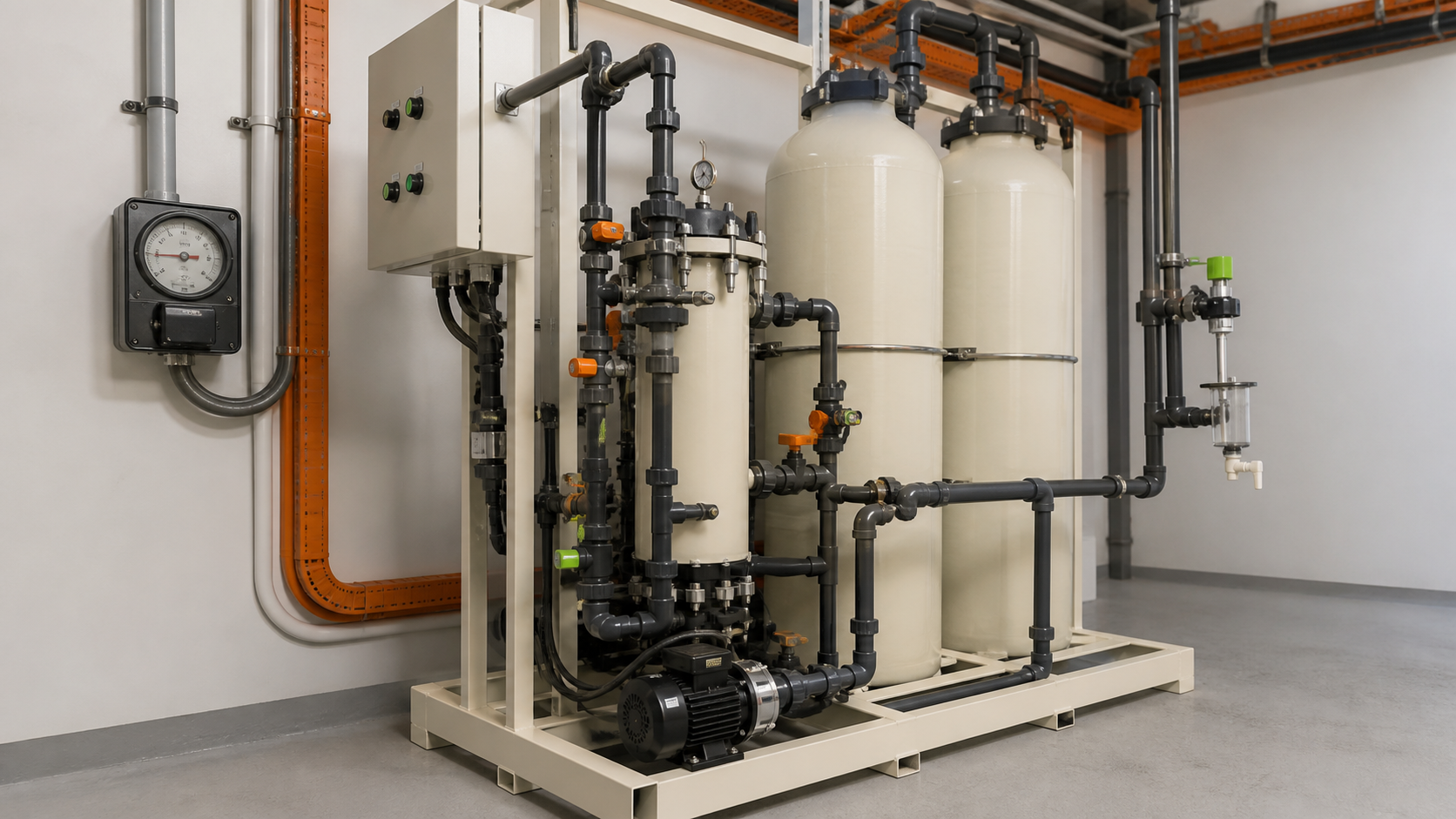
Adaptation and mitigation can create different buying decisions, evidence needs and revenue patterns. Combining them in one headline can hide the real business model.
| Route | Customer need | Commercial evidence | Outcome evidence |
|---|---|---|---|
| Water reuse | Reliable supply, expansion capacity or lower discharge exposure | Accepted system, total operating cost, service duty and repeat orders | Verified reuse after allowing for production changes |
| Loss monitoring | Lower water cost, damage avoidance and better maintenance | Paid deployment, alert use, renewal and installation cost | Confirmed leaks repaired and loss reduced |
| Flood resilience | Reduced interruption and asset damage | Budget owner, design standard, maintenance and insurance link | Service maintained or exposure reduced under defined events |
| Efficient treatment | Lower energy, chemical, waste or capacity cost | Measured whole-system cost at customer conditions | Energy or emissions change within a stated boundary |
| Resource recovery | Lower disposal cost or saleable recovered material | Product quality, offtake, operating stability and net margin | Avoided waste and verified resource displacement |
An adaptation company often sells continuity or avoided loss. The customer may pay to keep production running, maintain water quality or withstand an extreme event. The financial value depends on site exposure and the cost of alternatives.
A mitigation company may sell energy savings, lower chemical use or a process with a smaller emissions footprint. Here, measurement must cover the whole operating boundary. A low-energy treatment step may still rely on energy-intensive pre-treatment, pumping or waste handling.
Some technologies deliver both. Reuse can reduce pressure on local supply and may change the energy used to source and treat water. However, the direction is not guaranteed. An advanced process can improve resilience while increasing electricity use. Investors should report these effects separately before calculating a net claim.
Revenue models also differ. Equipment sales can create milestone revenue but uneven cash flow. Service models may improve visibility while placing uptime and performance risk on the provider. Software subscriptions can offer high gross margins only when deployment, hardware support and data integration are properly included.
For each model, examine achieved gross margin after commissioning, warranty, field visits and customer support. A climate tech investment should not receive a software valuation merely because it includes a dashboard. Nor should an equipment company be treated like contracted infrastructure when its orders and acceptance dates remain uncertain.
The central question is simple: which operating result does the customer pay for, and which climate result can the investor verify? Both need credible answers.
Payback calculations need the same separation. An adaptation project may avoid a low-frequency but severe loss, while an efficiency project may create regular savings. Do not combine these benefits without showing their assumptions. Management should explain the event probability, operating period, maintenance cost and party that keeps each benefit.
Contract terms should match the claimed result. Performance guarantees, service levels, measurement rights and customer duties can make the value clearer. They can also move risk back to the provider. Investors should price that obligation and confirm the company has the people, data and insurance needed to carry it.
Test revenue quality, margins and capital intensity
Climate relevance does not remove ordinary private-company risk. It can increase capital needs if the business must build equipment, carry inventory or finance customer assets before revenue arrives.
Start by separating revenue types:
- standard equipment and components;
- custom engineering and installation;
- operations and maintenance;
- consumables and replacement parts;
- software or data subscriptions;
- usage-based treatment or water-as-a-service fees; and
- grants or project support that do not represent customer demand.
For each stream, reconcile contract value, recognised revenue, invoice timing and cash. A signed project can require months of engineering and working capital before acceptance. A recurring contract can include service credits or minimum performance duties. A subscription can be low quality if it depends on hardware sold below cost.
Gross margin should be calculated after the work needed to deliver the promise. Include commissioning, remote support, site travel, spare parts, laboratory testing and warranty. If founders solve every difficult installation, recorded labour cost may understate the true burden.
Working capital is often central. Review deposits, progress payments, retention, supplier terms and inventory lead times. A company can grow reported revenue while consuming cash because customers pay after acceptance and suppliers require early payment.
Asset ownership changes the picture. A provider that owns treatment equipment at customer sites may gain longer contracts and recurring revenue. It also carries financing, utilisation, maintenance and residual-value risk. Test the return on each deployed unit before treating the model as scalable.
Capital intensity should be linked to milestones. Funding for a manufacturing cell, product certification, inventory or a service team may support repeatability. Funding that only covers another set of bespoke projects may grow revenue without improving the business system.
Scenario analysis should change operating assumptions, not only valuation. Extend the sales cycle. Delay acceptance. Lower utilisation. Add service visits. Increase energy or component cost. Model a second funding round. Then check runway, ownership and the ability to reach the next proof point.
A commercially mature climate-water company should be able to explain how growth changes margin, cash and delivery risk. If management can describe the climate benefit but cannot reconcile these economics, diligence is not complete.
Backlog should be tested for quality. Ask whether orders are cancellable, subject to finance, dependent on permits or waiting for a customer shutdown. Compare the expected delivery month with supplier commitments and installation capacity. A large backlog can increase confidence, but it can also create penalties and cash pressure when the business cannot deliver on time.
Pricing power needs evidence as well. Climate urgency does not guarantee that customers accept higher prices. Review discount history, tender losses and the cost of competing options. A defensible company may protect value through performance data, integration, service history and switching cost rather than through a patent alone.
Measure climate and water outcomes without overclaiming
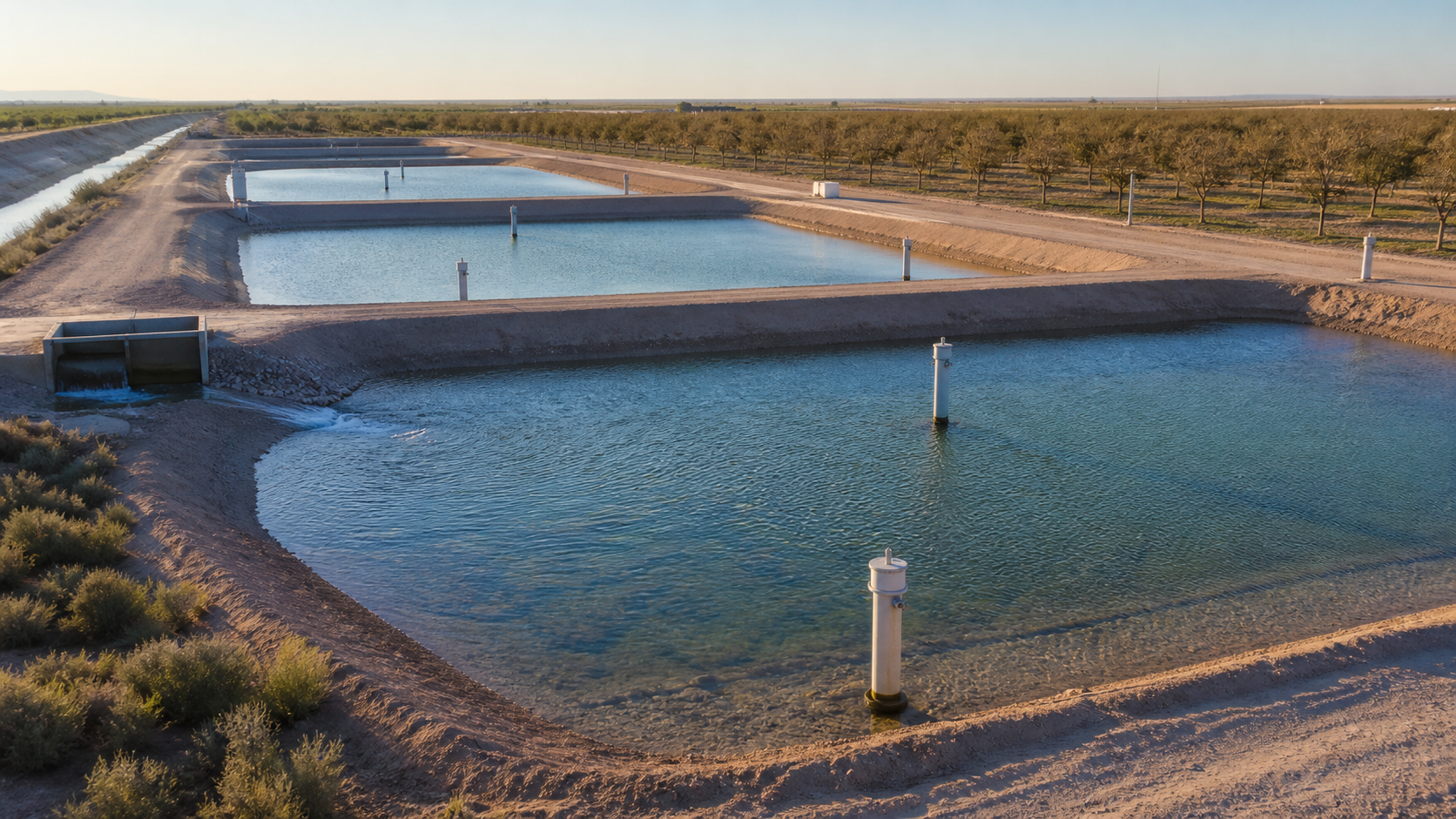
Climate impact investing needs evidence that follows the product into use. Installed capacity, sensors shipped and proposals issued are outputs. They are not the final outcome.
Build a measurement chain for each site:
- Baseline: the water, energy, quality or risk condition before the solution.
- Activity: the equipment, software or service delivered.
- Operating result: treated volume, uptime, alert use or energy consumption.
- Outcome: verified reuse, lower abstraction, reduced loss, improved continuity or lower emissions.
- Attribution: the part of the change linked to the solution rather than weather, lower production or another project.
- Investor contribution: the additional capability or deployment supported by capital and engagement.
Define the unit, boundary, period, data source and owner. For reuse, show where recovered water went and whether it displaced freshwater. For leakage, show which alerts caused repairs. For energy, include pumping, pre-treatment, cleaning and residual management where these are material.
Avoided emissions require a credible comparison. The baseline should reflect what the customer would otherwise have done, not an unrealistic worst case. State whether figures are measured, estimated or modelled. Preserve the calculation and explain changes between periods.
Resilience is harder to measure because the avoided event may not occur during the reporting period. Use practical indicators such as additional supply available under stress, recovery time, service uptime, storage days, response time and tested operating limits. Do not convert every resilience measure into a financial saving without evidence.
Adverse effects belong in the same record. Treatment may create brine or sludge. Reuse may require more energy. New storage may affect land or ecosystems. Hardware may contain materials with supply-chain risks. A balanced claim shows the benefit and the material trade-offs.
Investor contribution should remain proportionate. New capital may fund a first commercial unit, improve manufacturing, strengthen data controls or support entry into a new region. It rarely deserves credit for all past and future impact produced by the company.
Evidence quality can improve over time. Early companies may begin with a small number of material indicators. The important point is to use stable definitions and controls that survive customer review, board challenge and later buyer diligence.
Build resilience and scenario analysis into diligence
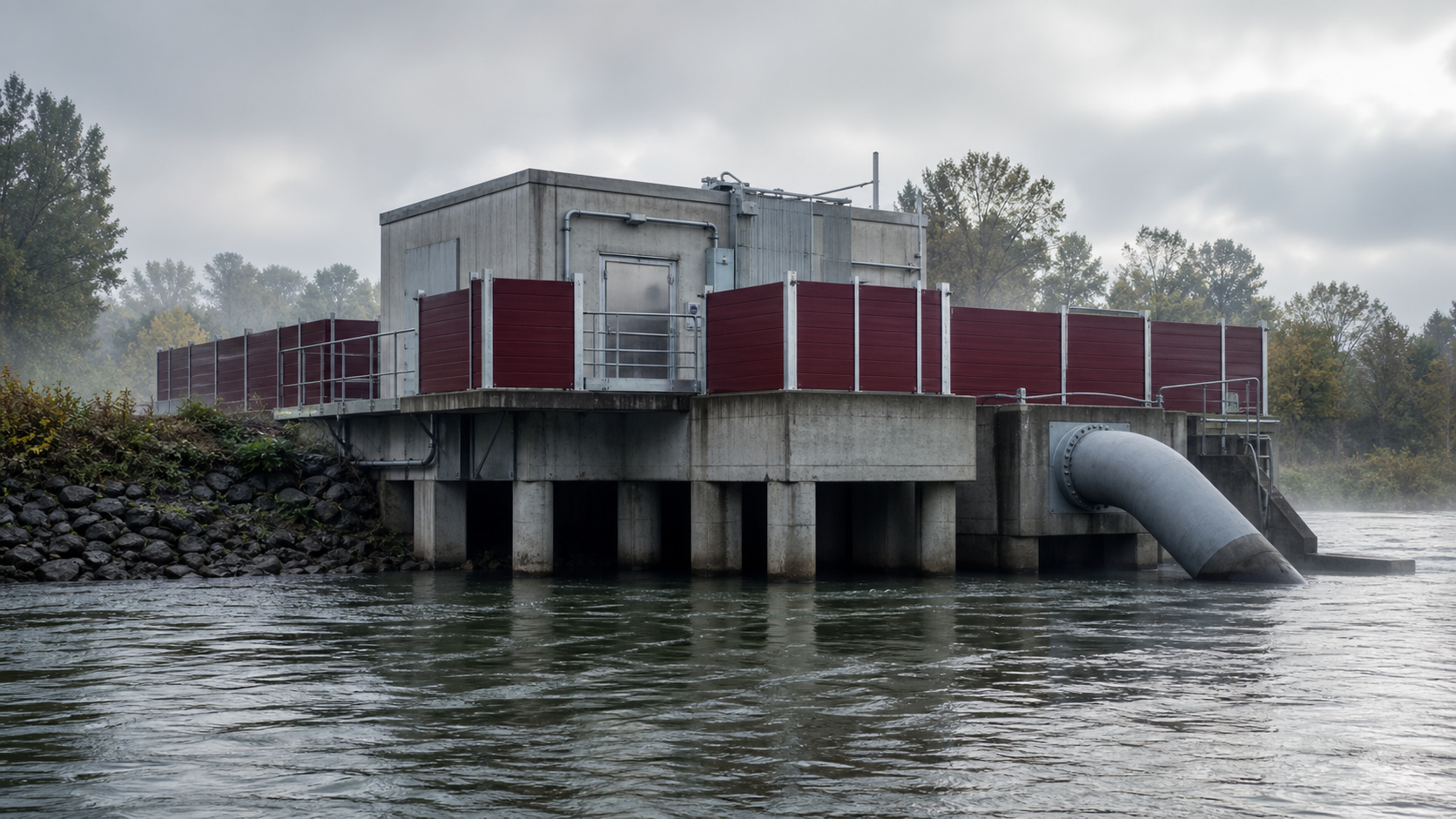
A climate-water investment is exposed to climate risk as well as solving it. A treatment plant can fail in a flood. A reuse system can depend on feedwater that changes beyond its design. A sensor platform can lose value if communications fail during an event.
The IPCC assesses water-related climate risks across sectors and regions, including risks that interact and become harder to manage as warming increases. That supports an investment approach built around robustness across several plausible conditions, not confidence in one forecast. [2]
Apply the same idea at company and project level. Review several plausible conditions rather than one forecast. The aim is not to predict the exact climate. It is to understand where the solution works, where it fails and which adaptation options remain available.
A practical review includes:
- minimum and maximum flow, temperature and source-quality limits;
- flood level, drainage, power, communications and site-access assumptions;
- critical suppliers and replacement-part lead times;
- operator skill, remote support and emergency procedures;
- insurance exclusions, warranty boundaries and force-majeure terms;
- the ability to expand, relocate, bypass or modify the system; and
- the cost and time needed to recover after failure.
Then test the business under the same conditions. A system may continue to operate while a customer reduces production. Demand may rise after an extreme event while supply chains and installation teams are disrupted. A service provider can win more work and still suffer poor cash flow.
Scenario analysis should reach the portfolio. Several companies may sell to the same industrial sector or depend on the same river basin, distributor, insurer or component. Different technologies do not guarantee different climate exposures.
Governance should assign each risk. Management owns product and operating controls. The customer may own site drainage or emergency power. An engineering partner may own installation. Contracts should reflect these duties rather than leaving them inside a broad promise of resilience.
Flexibility has commercial value when it is real. Modular capacity, remote configuration, several qualified suppliers and a standard integration process may help a company respond to change. Investors should verify these capabilities through records and reference calls.
Repeat the exercise at the use-of-funds milestone. If capital is intended to open a new region, test whether local water risk, customer economics, certification and service coverage support the move. Geographic exposure should be chosen from evidence, not from a general claim that one region is dry, flood-prone or climate vulnerable.
Record the trigger for management action. A change in source quality, service uptime, supplier lead time or insurance terms may require a design update or capital decision. A dashboard has little value if no threshold, owner or response is defined.
Use disclosure and regulation as evidence, not a shortcut
Climate disclosure rules can improve the information available to investors. They do not prove that a company has an attractive product or that a climate claim is correct.
IFRS S2 requires disclosure about climate-related physical risks, transition risks and opportunities that could affect an entity’s prospects. It covers governance, strategy, risk processes, performance and targets. [4]
This structure is useful even for a private company that is not required to report under the standard. Investors can ask who oversees climate risk, which assumptions inform strategy, how risks enter enterprise controls and which metrics show progress. The answers should be proportionate to the company’s size.
The European Union taxonomy provides another reference. Its environmental objectives include climate mitigation, climate adaptation, and sustainable use and protection of water and marine resources. Technical criteria and the principle of doing no significant harm matter to claims made under that framework. [5]
Taxonomy language should be used carefully. Eligibility, alignment and contribution are different statements. The exact activity, criteria, reporting period and company evidence need review. A general link to water or climate is not enough.
In the UK, the Financial Conduct Authority’s anti-greenwashing rule requires sustainability-related claims by authorised firms to be fair, clear and not misleading. [6]
Water Investment Network does not provide regulated financial advice. Still, the direction is relevant to investor communications: claims should be specific, supported, balanced and kept current. A private memorandum should distinguish company evidence, investor judgement, estimates and external classifications.
Regional claims need exact treatment. Do not apply an EU criterion to a UK company without checking the reporting context. Do not treat one Gulf jurisdiction’s water rules as a GCC-wide standard. Identify the jurisdiction, obligated party, effective date and commercial consequence.
Regulation can create demand, but it can also delay sales. Permits, procurement, testing and customer approvals can take time. A policy tailwind should be translated into a realistic order path and cash-flow plan.
Run a climate-water investment committee checklist
The final investment paper should show what is known, what is assumed and what could disprove the thesis. A broad climate narrative should not fill evidence gaps.
A concise decision record can cover nine questions:
- Which adaptation or mitigation problem does the company address?
- Which customer carries the cost or risk, and who controls the budget?
- What paid commercial proof exists beyond trials and grants?
- How does the company earn revenue, and what margin has it achieved after delivery?
- What limits scale across manufacturing, installation, service and working capital?
- Which climate and water outcomes are measured, and how reliable is the baseline?
- What material adverse effects or trade-offs remain?
- What can the investment reasonably contribute, and what milestone will test that contribution?
- What are the likely routes to liquidity, without assuming an exit or return?
Evidence should include customer contracts, reference calls, operating logs, margin reconciliations, cash records, technical limits, climate assumptions and the impact calculation. Independent technical, legal, tax and commercial advice may be required for the exact transaction.
List conditions before completion. These may include a successful reference call, assignment of intellectual property, confirmation of regulatory status, validation of a performance claim or agreement on board reporting.
List monitoring duties after investment. They may cover revenue quality, concentration, gross margin, runway, installation time, system uptime, water outcome, energy use, adverse effects and progress against the use-of-funds milestone.
The private-company portfolio should also be checked for shared exposures. Several holdings can depend on the same industrial customers, procurement cycles, components or climate conditions. Map these links and reserve capital for follow-on needs without assuming every company will receive more funding.
The Water Investment Network portfolio illustrates how treatment, membranes and monitoring can create different routes into water technology. Investors still need to examine the specific contract, maturity, risk and climate evidence behind each opportunity.
A decision can support the climate thesis and still reject the transaction. That is a healthy outcome when company economics, terms or evidence do not meet the mandate.
The committee should record why it proceeded or declined. This creates a useful evidence base for later opportunities and reduces the risk that a fashionable climate label changes the standard from one deal to the next. It also helps advisers and family-office principals explain how impact intention, commercial proof and risk were weighed.
After completion, revisit the original disconfirming evidence. If the second-site deployment remains bespoke, gross margin misses the agreed range or the outcome baseline cannot be reproduced, the board should address the problem directly. Monitoring exists to inform ownership decisions, not to decorate an annual report.
Frequently asked questions about climate investing in water
What is climate investing?
It is the allocation of capital to climate-related risks and opportunities. A clear mandate states whether it targets mitigation, adaptation or both, and how commercial and climate results will be tested.
How can water technology support climate adaptation?
Treatment, reuse, storage, monitoring, efficiency and flood resilience can help customers operate through scarcity, variable quality or extreme events. The benefit depends on local exposure and customer action.
Is every water company a climate investment?
No. The main product and revenue must connect to a defined climate problem or opportunity. Investors also need evidence of demand, economics, performance and outcomes.
Which climate-water metrics are useful?
Useful measures may include verified reuse, lower abstraction, repaired leakage, energy per unit treated, emissions within a clear boundary, service uptime and recovery time.
What are the main private-market risks?
Key risks include slow procurement, technical limits, bespoke delivery, customer concentration, working capital, policy dependence, weak baselines, overclaimed impact, illiquidity and further funding.
Explore direct climate-water investment opportunities
Water can make climate risk visible in customer operations. A credible investment case links that risk to a funded need, a repeatable product, sound unit economics and a result that can be measured without exaggeration.
Eligible UK, European and GCC family offices, high-net-worth individuals, sophisticated impact and private-equity investors, and relevant advisers can request access to Water Investment Network to explore selected direct opportunities in private water-technology companies.
Membership is invitation-only, and access depends on investor eligibility and the opportunities available at the time. Each direct investment needs its own legal, tax, financial, technical and commercial review. Water Investment Network does not provide regulated financial advice or make any assurance about returns, timing or liquidity.
Sources
- https://unfccc.int/topics/introduction-to-climate-finance
- https://www.ipcc.ch/report/ar6/wg2/chapter/chapter-4/
- https://www.worldbank.org/en/topic/water/publication/ccdr-water-sector-synthesis
- https://www.ifrs.org/issued-standards/ifrs-sustainability-standards-navigator/ifrs-s2-climate-related-disclosures/
- https://finance.ec.europa.eu/regulation-and-supervision/financial-services-legislation/implementing-and-delegated-acts/taxonomy-regulation_en
- https://www.fca.org.uk/publications/finalised-guidance/fg24-3-finalised-non-handbook-guidance-anti-greenwashing-rule