
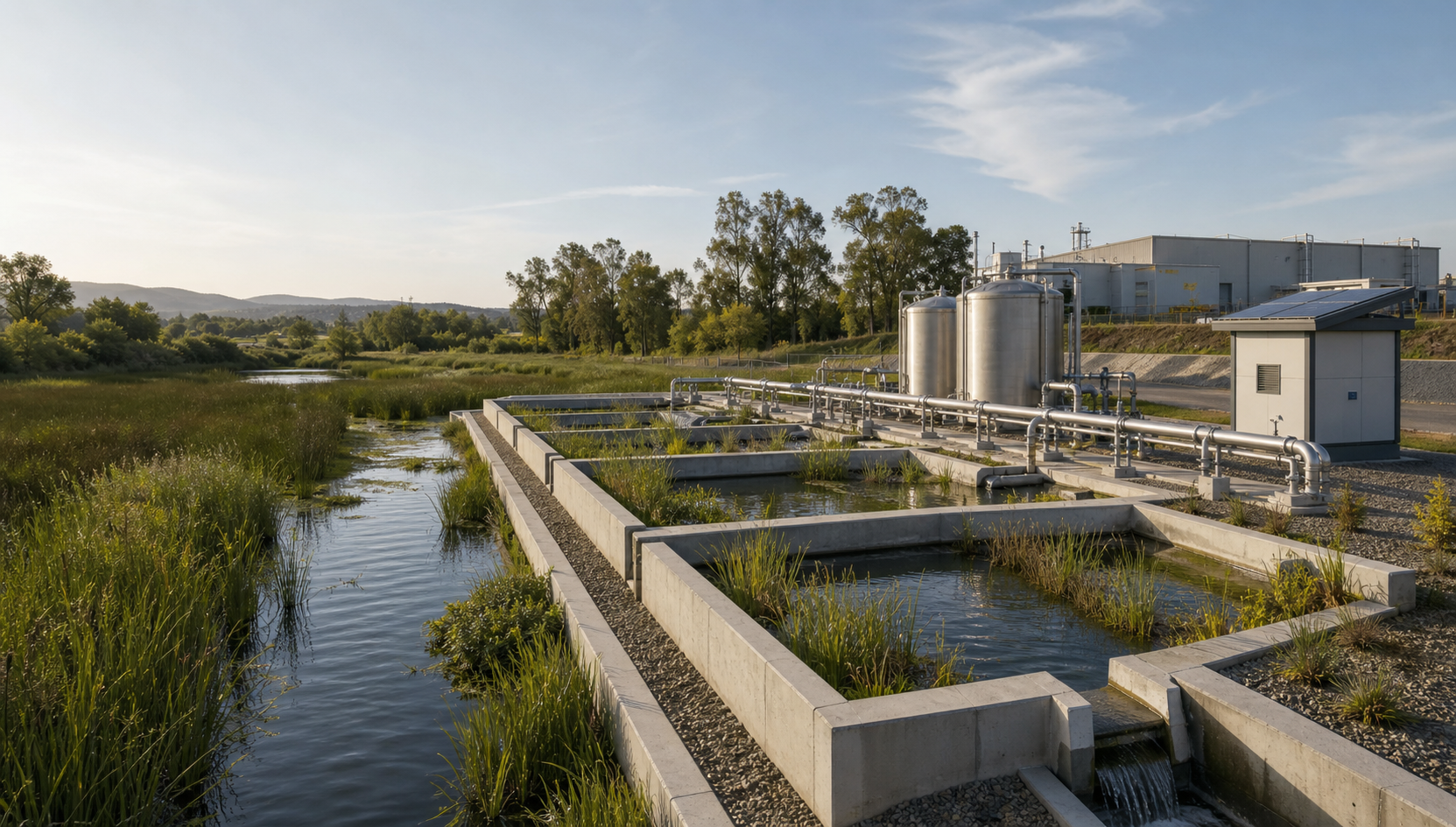
Environmental investment is becoming a more useful way to describe capital directed towards environmental dependencies, impacts, risks and opportunities. In water, that can include treatment, reuse, monitoring, efficiency, resilience and services that help customers operate within tighter physical or regulatory limits.
The label does not make an opportunity investable. A serious environmental investment case must connect an environmental issue to a paying customer, a workable delivery model, measurable evidence and a risk-adjusted private-market decision. That connection matters for family offices, high-net-worth investors, sophisticated impact investors and advisers reviewing direct water-company opportunities.
This guide explains how to assess that connection. It focuses on company and asset diligence rather than public-market funds, fundraising advice or personal financial advice. It does not predict returns or imply that any water business will meet an investment target.
What environmental investment means for water
Environmental investment puts capital behind a defined response to an environmental condition while testing whether the response can create durable commercial value. The condition may be water scarcity, poor source quality, discharge pressure, leakage, flood exposure, inefficient treatment or a customer dependency that is becoming more costly to manage.
It is broader than a product category and narrower than a slogan. A company can sell equipment into a water application without producing a material environmental outcome. Equally, a business can create a useful outcome without presenting itself as an impact company. The investor still needs to define the boundary of the thesis.
A useful boundary contains five parts:
- Environmental issue: what dependency, impact, risk or opportunity is being addressed?
- Customer: who pays, who uses the solution and who carries the operational risk?
- Commercial mechanism: how does the company earn revenue and collect cash?
- Evidence: which baseline, operating data and independent checks support the claim?
- Investment decision: what does the capital change, and what could make the opportunity unsuitable?
This is the distinction between an environmental theme and an environmental investment. A theme helps an investor find relevant opportunities. An investment case explains why a particular company can solve a defined problem, serve customers repeatedly, use capital productively and withstand downside conditions.
For a wider context, the Impact Investing in Water guide sets out the network’s broader private-market and impact framework. An environmental lens adds a specific test for environmental dependence and consequence. It should sharpen diligence, not replace it.
Environmental investment can also sit alongside philanthropy, responsible investment and conventional growth capital. The difference is not the presence of good intentions. It is the clarity of the mandate, the discipline of the evidence and the way the investor handles financial, technical and environmental risk together.
Start by writing one sentence that a sceptical investment committee could challenge. For example: the company helps industrial customers reduce freshwater dependence through a paid reuse service, and the outcome will be measured at each operating site. If the sentence cannot name the customer or the evidence, the thesis is still too broad.
Why water belongs in environmental investment
Water is both an environmental system and an operating input. A manufacturer, farm, energy producer, logistics site or property portfolio may depend on a reliable quantity and quality of water. The same activity may affect a catchment through abstraction, discharge, energy use, land use or the handling of residual waste.
The World Bank’s water security work links reliable water to productivity, employment, livelihoods and growth across water-intensive sectors. That is commercially important because a water solution is usually bought for a decision that sits inside an operating budget. The environmental result and the customer result may reinforce each other, but they should still be measured separately.
Water also exposes the cost of underinvestment. The World Bank’s evidence on water security connects reliable water with productivity, employment and growth, while UK environmental policy describes natural capital and the role of private investment in environmental improvement. These are context for an investment thesis, not a company forecast. The useful question is which local need a specific company can serve.
Four features make water relevant to environmental investment:
- Dependencies are tangible. A site may need a defined flow, pressure, quality or continuity level to operate.
- Impacts can be site-specific. The effect of abstraction, discharge or energy use depends on the source, process and receiving environment.
- Customer decisions are often measurable. Reuse volume, leakage, treatment cost, downtime and service uptime can be tracked when the boundary is agreed.
- Delivery matters as much as invention. Installation, permitting, maintenance, integration and customer acceptance determine whether the solution works outside a demonstration.
These features create a demanding but useful diligence environment. Investors can ask where the solution operates, under which conditions, for which buyer and with what evidence. They can also see where the environmental value might be overstated, for example when a proposed capacity figure is treated as delivered impact.
The strongest water opportunities usually have a specific use case. A reuse system is built around a source and an end use. A monitoring service is linked to a decision and a response. A treatment product has a feedwater range, a performance duty and a maintenance requirement. Specificity is a commercial asset because it helps customers buy and investors verify.
Turn environmental pressure into customer demand
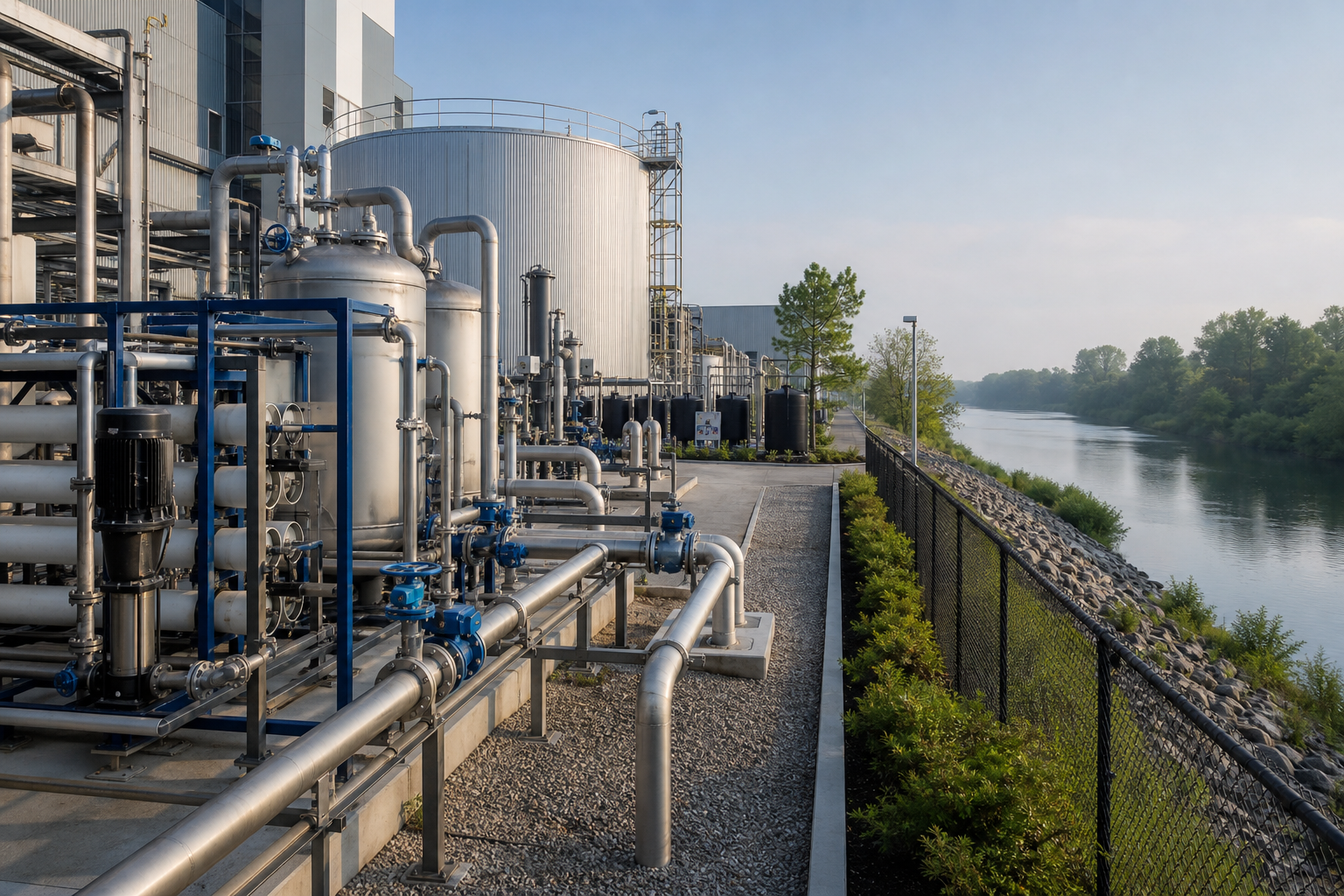
Environmental pressure becomes investable only when it reaches a customer decision. Drought, contamination, discharge limits, leakage or flood exposure may be serious, but seriousness alone does not establish a budget. The investor needs to trace the issue from operating consequence to buyer, procurement route and payment.
Begin with the customer setting. Ask what process depends on water, what happens when the service fails, which alternative is available and who owns the decision. The buyer may be an operations director, engineering team, facilities manager, utility, farm operator, project developer or procurement function. The user, budget holder and risk owner may be different people.
A useful customer-demand record includes:
- the water condition or service gap that matters at the site;
- the financial or operational consequence of leaving it unresolved;
- the budget category, procurement event or compliance timetable;
- the proof needed before a pilot, order or long-term contract;
- the integration work and customer responsibilities; and
- the reason the customer would renew, expand or recommend the solution.
Separate a problem statement from a market-size statement. “Industrial sites need more resilient water supply” may be true at a broad level. It does not say whether the target buyer can approve a system this year, whether the site has suitable feedwater, or whether the company can reach the buyer at an acceptable acquisition cost.
Contract evidence should be reviewed in layers. A conversation is an early signal. A memorandum can show interest but may not create a purchase obligation. A paid pilot proves that a customer has committed some budget, but it may not prove repeatable unit economics. A signed order, accepted deployment, invoice and cash receipt provide stronger evidence, subject to the terms.
Environmental pressure can support urgency while the economic case closes the sale. A factory may buy reuse capacity because expansion is restricted. A property operator may buy monitoring because leaks create damage and maintenance cost. A utility may buy controls because operators need better visibility and response time. Management should be able to explain which benefit releases the budget.
Customer concentration deserves particular care. One reference site can demonstrate technical value without proving a repeatable market. Compare the first deployment with the second and third. Identify what must be customised, who performs the work and whether a new customer needs a different permit, distributor or service capability.
Policy can accelerate demand, but policy-dependent revenue should be labelled clearly. Test the downside if a grant changes, a permit takes longer or a customer defers capital spending. The business is more resilient when customers can justify the purchase through continuity, cost, compliance or capacity as well as environmental intent.
Measure natural-capital exposure without relying on labels
Natural capital is a useful decision lens when it makes dependencies and consequences visible. It should not become another label that substitutes for data. In water, the relevant natural-capital exposure may include a river, aquifer, catchment, coastal system, treatment receiving environment or the energy and material inputs needed to operate an asset.
The UK Environmental Improvement Plan 2025 provides useful public context for natural capital and environmental improvement. It is not a company-level impact framework or a guarantee that a business has positive impact. Investors should adapt the principle to the actual site and asset without claiming that a broad policy document completes their diligence.
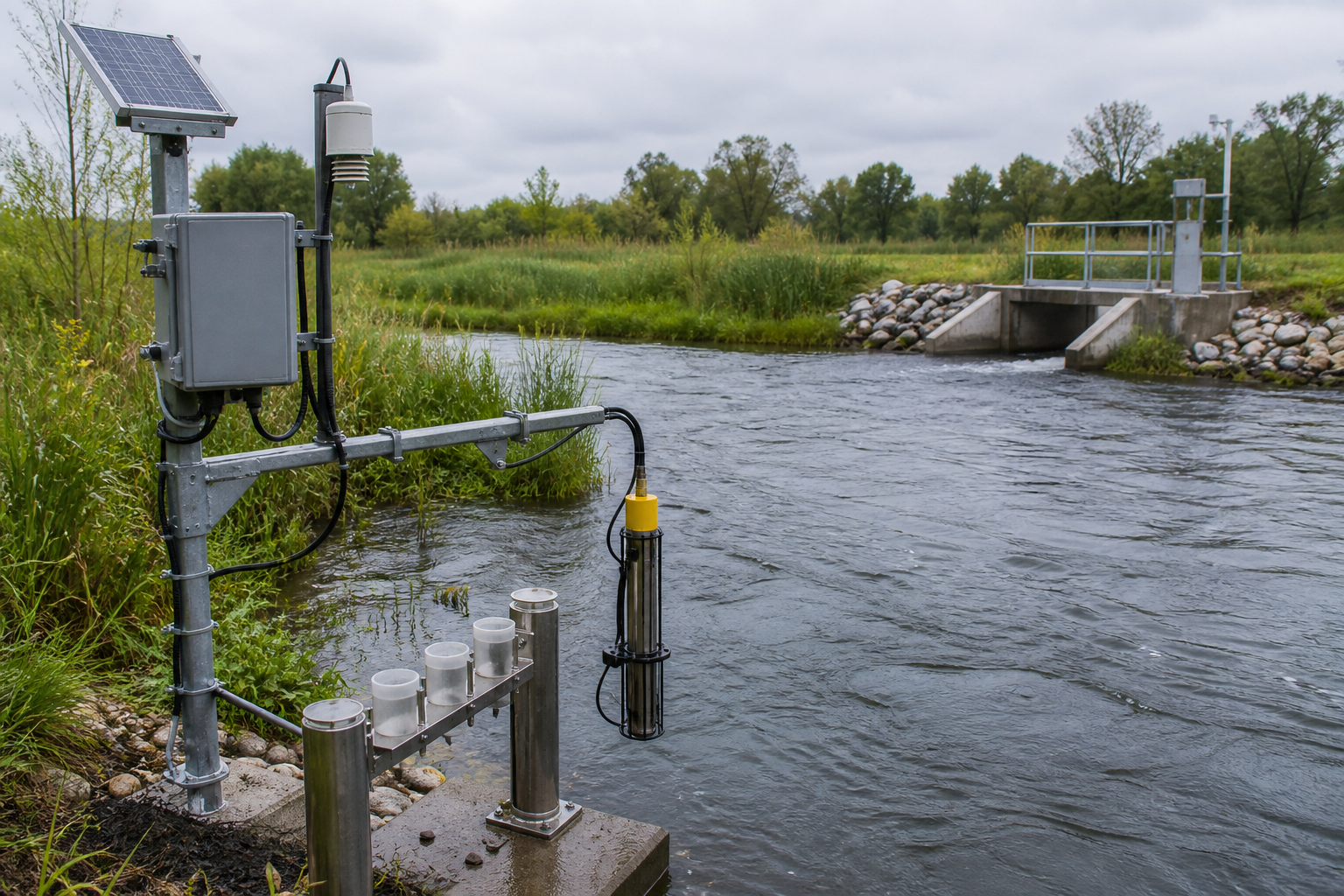
Locate the operating boundary first. Identify the site, source, discharge point, customer process, equipment boundary and relevant period. A company-level claim can hide material differences between sites. A water-as-a-service business may have a good average result while one contract has poor feedwater, high energy use or weak customer compliance.
Evaluate the dependency. What quantity, pressure, quality or continuity does the customer need? What inputs does the solution itself require? Does the system depend on chemicals, electricity, specialist maintenance, imported components or a narrow operating range? A solution that reduces one pressure may add another.
Assess the impact and risk. Define what changes because of the intervention, what would have happened without it and which factors sit outside the company’s control. Measure direct outcomes such as freshwater displaced, discharge avoided, leakage repaired, uptime achieved or energy used. Keep avoided loss, modelled impact and measured change in separate categories.
Prepare the evidence for challenge. Record the method, baseline, data owner, calculation, assumptions, exclusions and review date. The strongest record can be read by a customer, board, auditor or later buyer without relying on a founder’s memory. If the method changes, preserve the earlier result and explain why.
Natural-capital measurement should not be reduced to a single score. A dashboard can hide the difference between a measured outcome and a potential outcome. The investment committee should see the unit, time period, system boundary, data quality and material trade-offs behind each headline figure.
Investor contribution is another boundary. Capital may fund a first commercial deployment, manufacturing capacity, monitoring controls or entry into a new market. It does not automatically create credit for every outcome produced before the investment or by unrelated customer activity. Keep the contribution claim proportionate to the capital and engagement provided.
This discipline supports both integrity and commercial clarity. A customer can understand the operating result. An investor can see the risk that may affect revenue. A future buyer can assess whether the outcome is embedded in a repeatable business system rather than dependent on one exceptional site.
Build an environmental investment thesis at a glance
A thesis becomes easier to test when the environmental issue, customer, revenue model and evidence are visible together. The following table is a diligence starting point. It is not a ranking of technologies, and it does not imply that a company in any row is investable.
| Environmental pressure | Paying customer decision | Commercial evidence | Outcome to verify |
|---|---|---|---|
| Freshwater dependence or supply constraint | Secure production capacity or reduce purchased water | Site specification, accepted system, operating cost and repeat order | Measured reuse or substitution within a stated boundary |
| Polluted source or discharge requirement | Meet a defined quality or discharge condition | Performance data, permit route, service duty and customer acceptance | Quality result, compliance evidence and residuals handled responsibly |
| Leakage or poor network visibility | Find loss, protect assets or improve maintenance response | Paid deployment, alert use, repair record and renewal | Confirmed loss reduction or response improvement |
| Flood, drought or continuity exposure | Maintain service or reduce interruption risk | Defined site risk, tested operating plan and budget owner | Available capacity, recovery time or service continuity under a defined scenario |
| Energy or material intensity in treatment | Lower total operating cost or improve process performance | Whole-system cost, energy data, warranty terms and delivered margin | Measured change after including pumping, cleaning and residual management |
The table encourages a two-way test. Start with the environmental pressure and ask whether the company can resolve it. Then start with the customer decision and ask whether the claimed environmental result follows from actual use. If either direction breaks, the thesis needs a narrower claim.
Do not treat installed capacity as a completed outcome. A system can be built but not commissioned, commissioned but not operated at design conditions, or operated without displacing the baseline. Track the path from sale to use. The commercial record and impact record should refer to the same site, period and operating conditions.
Unit economics should sit beside environmental metrics. A business may increase treated volume while losing money on each deployment. Another may earn good service revenue while its environmental claim is too broad. The investment case is stronger when the company can explain how performance, customer value, margin and outcome move together.
Use the thesis to define exclusions. An opportunity may fall outside the mandate if the environmental benefit is immaterial to revenue, if the customer cannot verify use, if the system relies on an untested operating boundary, or if the company cannot account for a material adverse effect. Exclusions protect time and credibility.
Test revenue, margins and scalability
Environmental investment still requires ordinary commercial discipline. Water businesses may sell equipment, engineering, monitoring, software, consumables, operations and maintenance, or a managed service. Each model has a different relationship between revenue timing, margin, working capital, liability and scale.
Map revenue from contract to cash. Reconcile order value, revenue recognition, invoice date, acceptance condition and collection. A project can look large while requiring months of design and early supplier payments. A recurring contract can appear stable while allowing termination, service credits or performance deductions. A software fee can hide a heavy installation and support burden.
Calculate delivered margin rather than headline margin. Include commissioning, field labour, travel, testing, spare parts, warranty, customer support, insurance and the cost of failed or delayed deployments. If founders or senior engineers solve every difficult site problem, recorded labour may understate the cost of a repeatable delivery model.
Scalability is not simply a large market. Ask which parts of the solution are standard, which parts need site engineering and which parts depend on one person, supplier or permit. A repeatable water business may still need local partners, service teams or regional certifications. These requirements belong in the capital plan.
Working capital can be material. Review deposits, progress payments, retention, inventory, component lead times, customer acceptance, supplier terms and cash conversion. Model a late project, a higher rework rate, an additional service visit and a customer that pays after the original forecast. Then assess whether the company can reach its next proof point without assuming a funding round arrives on time.
Asset ownership changes risk. If the company owns equipment at customer sites, it may gain longer relationships and recurring fees. It also carries utilisation, financing, maintenance, replacement and residual-value risk. Test each deployed unit’s cash return and failure experience before applying an infrastructure-style assumption.
Pricing power needs evidence. Environmental urgency does not guarantee that a customer will accept a premium. Review lost tenders, discounts, alternatives, payback, switching cost and the value of avoided interruption. A defensible position may come from integration, operating data, service history or a difficult approval path rather than a patent alone.
Growth capital should be linked to a change in the operating system. It may fund certification, standardisation, inventory, a service capability, a defined deployment programme or better measurement. It is weaker when it only finances more bespoke work without improving margin, delivery time, cash conversion or evidence quality.
Scenario analysis should change operating assumptions as well as valuation. Extend sales cycles, lower utilisation, delay acceptance, increase energy or component cost, reduce renewal and add a second funding need. The goal is to see what the environmental investment requires when the customer problem remains real but execution is slower.
Check regulation and regional market access
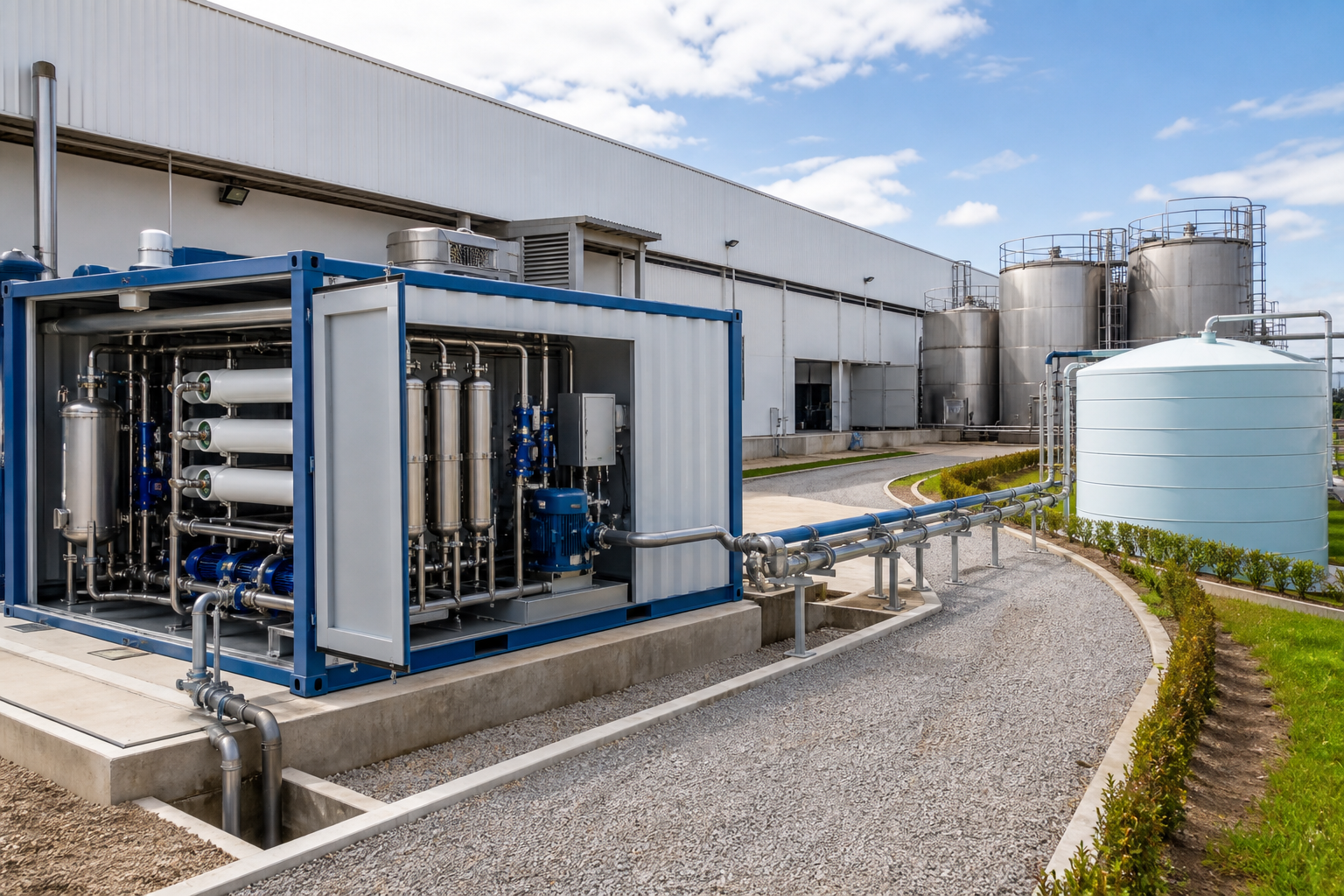
Regulation is part of the water operating environment, but it is not a universal demand guarantee. The relevant rules depend on the source, use, discharge, technology, customer, country and project structure. An investor should verify the actual approval path rather than treating a policy direction as an order book.
In the UK, the National Framework for Water Resources 2025 describes long-term water needs, resilient supplies and the relationship between growth and nature. It is useful context for market direction. It does not remove the need to check a company’s specific permissions, customer procurement route, environmental assessment and delivery timetable.
For European opportunities, the European Commission’s Water Framework Directive overview explains the framework’s role in water protection, pollutant controls and river-basin planning. A company entering an EU market still needs jurisdiction-specific advice on permits, product requirements, discharge, abstraction, chemicals, data and public procurement. A framework-level reference is not a project approval.
Use a regional market-access checklist:
- Which authority controls the relevant water, discharge, building or environmental approval?
- Is the company selling a product, building an asset, operating a service or managing data?
- What testing, certification, local content, import or distributor requirement applies?
- Who pays for permitting and what happens if approval is delayed?
- Does the customer have a route to procure the solution and accept the performance?
- Which rules affect claims, measurement, reporting, data or environmental marketing?
The UK, Europe and GCC can all be relevant to an investor audience, but they should not be collapsed into one market. A product may require local integration, a different contract structure, a new partner or a different working-capital profile. Regional expansion should be staged against evidence of customer demand and delivery capability.
Regulation can create opportunity by clarifying standards or making a risk more visible. It can also add cost, extend sales cycles and increase liability. Map both sides. Ask whether the company can earn a return if the timetable changes, the standard tightens or the customer chooses a lower-cost alternative.
Do not present public policy as a guaranteed tailwind. Record the source, date, jurisdiction, scope and status of each regulatory assumption. Mark what is confirmed, what is expected and what remains to be verified before completion. That simple separation prevents a policy narrative from replacing company evidence.
Diligence technology, delivery and management
Technical diligence asks whether the solution works under defined conditions. Commercial diligence asks whether it can be delivered repeatedly at a return that supports the company. Environmental diligence asks whether the claimed result is material, measurable and balanced against trade-offs. These questions overlap, but none can replace the others.
Start with the technical boundary. Review feedwater, flow, pressure, temperature, contaminants, operating hours, cleaning cycle, energy, chemicals, residuals and maintenance. Compare the tested conditions with the conditions in customer proposals. Identify which results are independent, which are customer-verified and which remain a management estimate.
Then inspect the delivery chain. Who designs the system, installs it, commissions it, maintains it and responds to failure? Which work is performed in-house and which is subcontracted? How are changes controlled? What warranty, service-level, performance and limitation terms are accepted? A product that works in a controlled test may still be difficult to deploy at a live customer site.
Site evidence should include commissioning records, acceptance tests, uptime, service tickets, failures, repeat visits, customer feedback and actual operating data. Ask to see a difficult site as well as a successful reference. The purpose is to understand operating limits and recovery behaviour, not to search for a perfect case study.
Management quality shows up in the record. Strong teams can explain where the model failed, what changed, who owns the corrective action and how the forecast was updated. They can distinguish a customer pipeline from contracted revenue, a pilot from a repeatable deployment and a modelled outcome from a measured one.
Review the management system around safety, quality, data, procurement, cash and environmental claims. A small company does not need a large bureaucracy, but it does need clear responsibility. A water business can create customer, regulatory and reputational exposure when records are incomplete or claims are approved informally.
Key-person risk matters in technical water companies. Identify the knowledge held by founders, engineers, commercial leads, distributors and customer champions. Check whether designs, calculations, service procedures, customer history and supplier terms are documented. Succession and hiring capacity are part of the ability to scale.
Management incentives should include the quality of revenue and evidence, not only new orders. A sales target can encourage unsuitable deployments. A volume target can encourage a broad impact claim. Board reporting should show customer economics, cash, delivery risk, technical incidents and selected environmental outcomes together.
A good diligence request is focused. Ask for the evidence that would change the investment decision, not every document the company has ever created. If the company cannot provide a baseline, contract, operating record or cost bridge, make the gap explicit and decide whether it is a condition, a risk or a reason not to proceed.
Structure risk, portfolio fit and exit
Environmental investment is still private-market investing. The asset may be illiquid, the valuation may be uncertain between transactions and the company may need follow-on capital before it reaches a strategic milestone. The environmental case should improve decision quality, not make those risks disappear.
List the risks in operating language: long procurement, customer concentration, project delay, performance failure, warranty cost, supplier dependence, energy price, permit change, currency, working capital, dilution, governance and exit. For each material risk, define a response. That response may be a staged drawdown, milestone, information right, warranty, reserved matter, valuation adjustment or decision not to invest.
Portfolio fit is more than thematic similarity. A water technology company may add exposure to industrial capex, construction delivery, infrastructure, emerging markets or a founder-led business. Compare those risks with the existing portfolio. A water label does not automatically diversify a family office if the underlying risks are already concentrated.
Capital structure should match the proof required. Equity can absorb uncertain development and expansion but dilutes ownership. Debt can preserve ownership but adds repayment and covenant pressure. Customer deposits, equipment finance or supplier terms may help, while also increasing concentration or delivery obligations. Model the package under a slower sales and collection case.
Governance should make the next decision easier. Agree the reporting pack, board or observer rights, reserved matters, follow-on rules and environmental measurement process before completion. The investor should know what it can see, what it can influence and what happens when a milestone is missed.
Exit analysis should be realistic and conditional. Potential routes may include a strategic water platform, an industrial buyer, a larger technology company, another private investor, a management transaction or a trade sale. Each route depends on revenue quality, contract transfer, margins, technical records, customer concentration, governance and market conditions.
The Water Investment Network portfolio is a starting point for eligible investors who want to understand the type of direct water-company opportunity the network reviews. It is not a substitute for independent diligence, and it is not a promise that an opportunity will meet a return or environmental target.
Write the approval paper so that fact, forecast and judgement are visibly separate. A signed customer contract is evidence of a contract. Expected repeat orders are a forecast. A view that a business has a defensible position is an investment judgement supported by evidence. Keeping those categories distinct protects the committee when conditions change.
Finally, state what is not known. Missing site data, uncertain permits, incomplete testing or a weak cash forecast can remain visible in a well-structured decision. Uncertainty is not automatically a blocker. Hidden uncertainty is a risk to both financial and environmental integrity.
Frequently asked questions about environmental investment in water
What is environmental investment in water?
Environmental investment in water provides capital to a company, asset or service that addresses a defined water or environmental dependency, impact, risk or opportunity while the investor assesses its commercial return and downside risk. The environmental label is only a starting point. The investor should still test the customer, revenue model, evidence, regulation and risk.
Is every water company an environmental investment?
No. A water label is not enough. Investors should identify the customer problem, the environmental dependency or outcome, the revenue model, the evidence of performance and the risks that could prevent delivery. A business may be relevant to water without meeting a particular environmental mandate.
What should investors measure first?
Start with a site or customer baseline, then measure the solution in operation, the customer result, the water or environmental outcome, the boundary of the claim and the investor contribution. Keep measured results separate from capacity, estimates, forecasts and avoided-loss scenarios.
How do regulation and permits affect water investment?
They affect what can be built, discharged, abstracted, imported, sold or operated in a specific jurisdiction. The investor should verify the relevant approvals, timetable, cost and responsibility for each target market. A policy direction can support a thesis, but it is not the same as a project approval or customer order.
Does Water Investment Network provide environmental investment advice?
No. Water Investment Network is an invitation-only network and does not provide regulated financial advice or guarantee returns. Eligible investors and advisers must complete their own independent legal, financial, tax, technical, commercial, regulatory and impact diligence before making any decision.
Explore environmental water opportunities
Environmental investment in water is most useful when it helps an investor ask better questions. Which customer is paying? What dependency or impact is material? What happens at the site? Can the company deliver repeatedly? What does the evidence prove, and what remains uncertain?
Water Investment Network connects eligible UK, European and GCC family offices, high-net-worth investors, sophisticated impact and private-equity investors, and relevant advisers with selected direct water-company opportunities. Readers who want to examine the network can request access to Water Investment Network, subject to its invitation-only eligibility process.
The network does not provide regulated financial advice. Any opportunity requires independent legal, financial, tax, technical, commercial, regulatory and impact diligence. Environmental relevance can be a reason to investigate a company. It is not a guarantee of financial performance, environmental outcome, liquidity or suitability.