Environmental Investment: What Water Investors Should Know
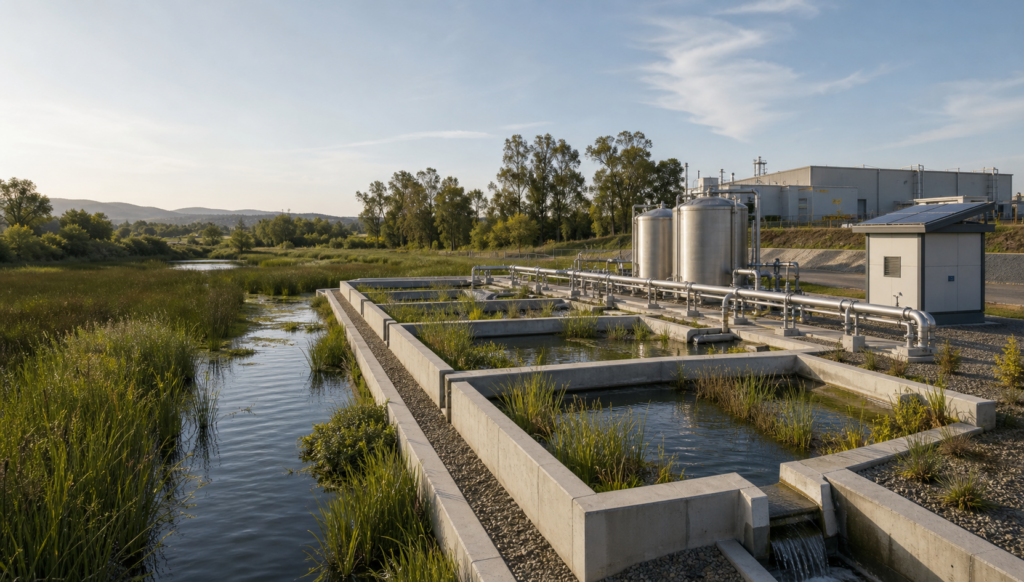
A practical guide to environmental investment in water, covering natural capital, customer demand, company economics, regulation, diligence and private-market risk.
Impact Investing Companies: What Water Investors Should Know
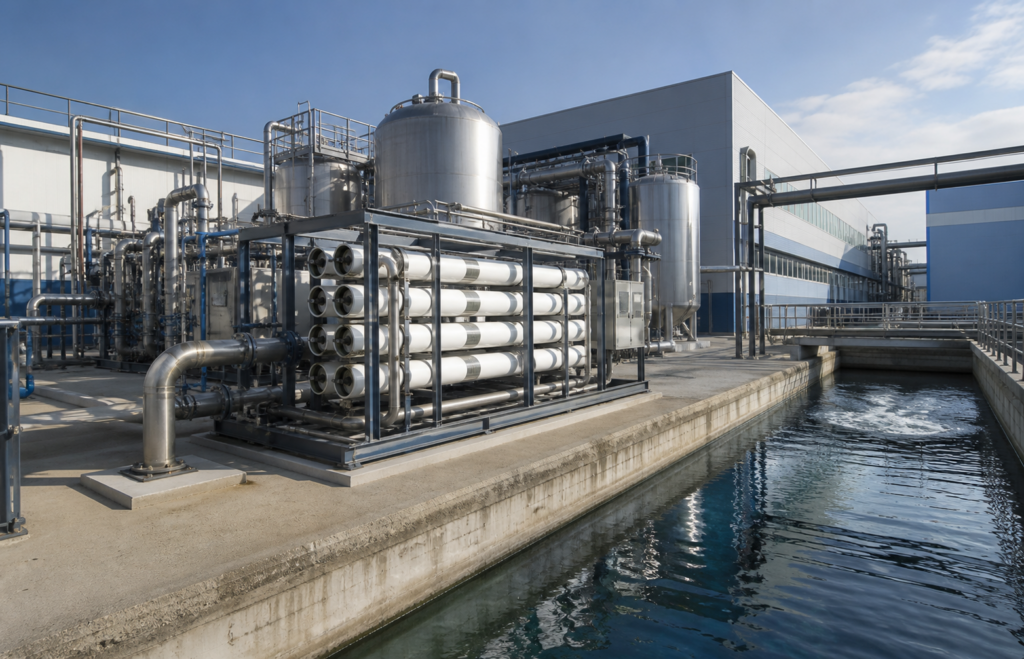
Impact investing companies aim to solve a defined social or environmental problem while building a business that can deliver a financial return. In water, that combination can include treatment, reuse, monitoring, efficiency and resilient infrastructure. The label alone does not make a company investable. Investors need to see a paying customer, a workable revenue model, […]
Patient Capital: What Water Investors Should Know
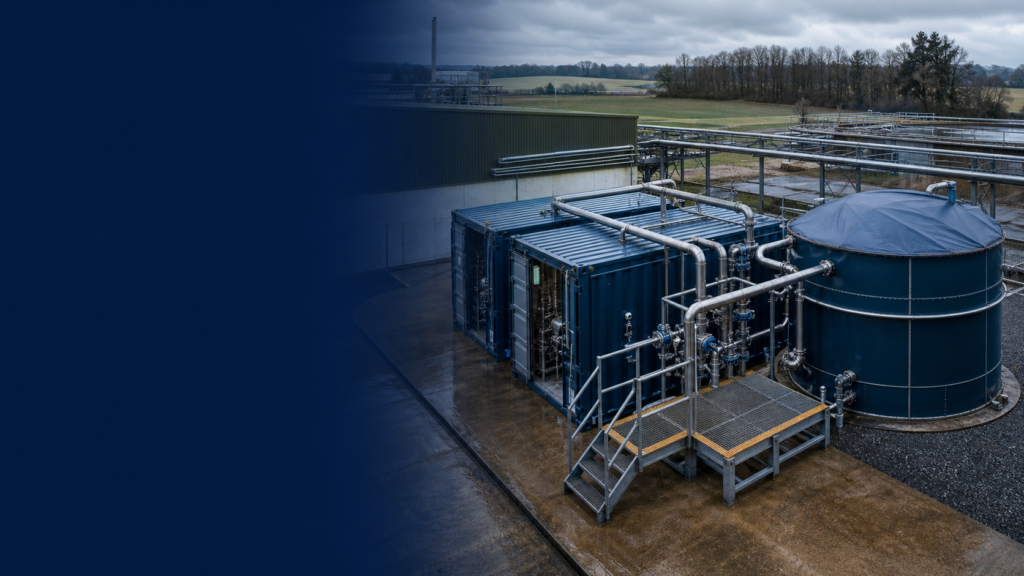
Patient capital is long-term funding for a company that needs time to build a large, durable business. In water, that patience can matter because technical validation, customer approval, site deployment and repeat sales rarely happen at the same speed. Time alone does not make a water company investable. A longer holding period must support a […]
Private Markets: What Water Investors Should Know
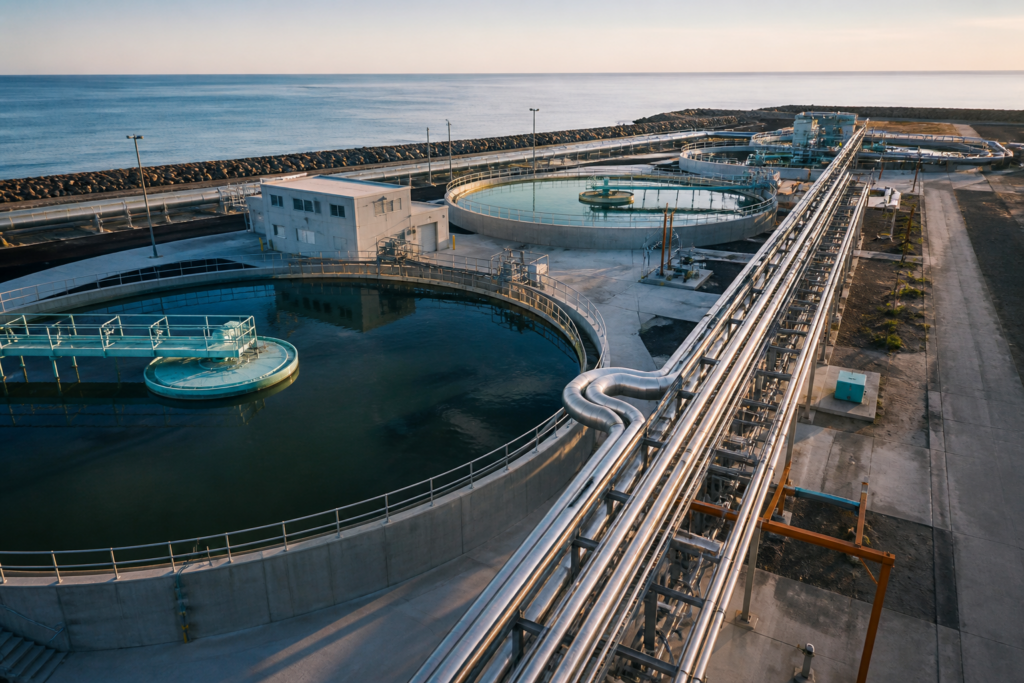
Private markets in water are investments in private companies, projects or funds that solve water problems. The case rests on customer demand, operating evidence, risk and a realistic holding period. Private markets give investors access to businesses and assets that are not traded on public exchanges. In water, that can mean taking a closer look […]
Impact Investing: What Water Investors Should Know

Impact investing in water is more than putting capital behind a serious environmental problem. It is a test of whether a private company can create a measurable water outcome while building a durable commercial model. The strongest opportunities connect a real customer need to revenue, margin, adoption and evidence. Water gives investors a clear reason […]
Family Office Investing: What Water Investors Should Know
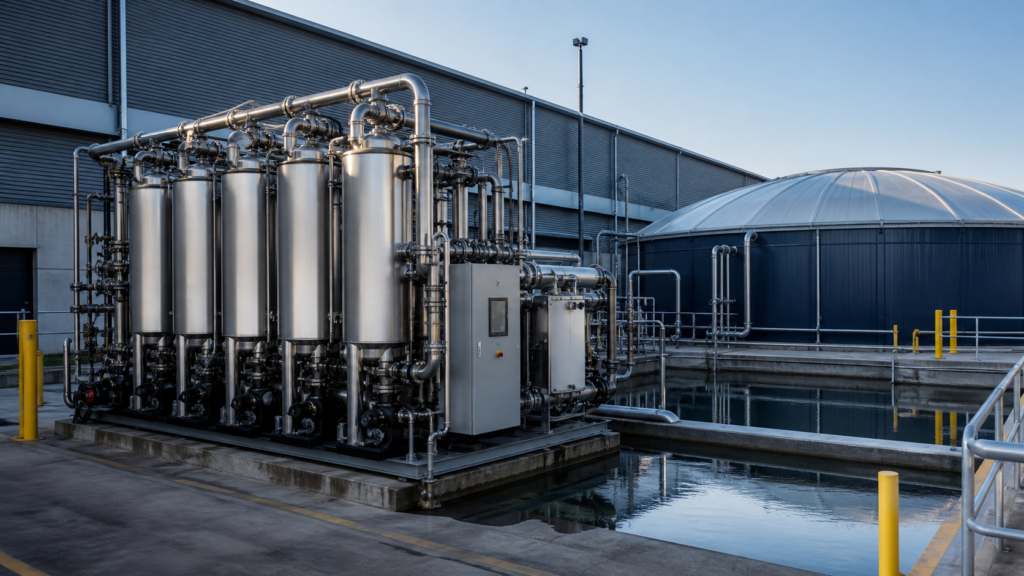
Family office investing in water is not simply a choice between an impact theme and a financial return. It is a company-level decision about how an essential service becomes a defensible commercial opportunity. The investable question is whether a water business can solve a paid customer problem, produce reliable evidence and grow without taking on […]
Growth Equity: What Water Investors Should Know

Growth equity is capital for a company that has moved beyond an idea and needs to expand a proven commercial model. In water, that usually means more than a successful pilot. It means a product, service or operating model has been bought by real customers and can be deployed again without rebuilding the company each […]
Invest in Water: What Water Investors Should Know

To invest in water is to choose among very different businesses. A company may sell treatment equipment, monitoring software, replacement components, engineering services or a managed water service. Each can address a real need, yet each has a different route to revenue, margin, cash generation and scale. That is why water investing should begin with […]
Sustainable Impact Investing: What Water Investors Should Know

Sustainable impact investing sounds precise, yet it can describe several different approaches. One investor may focus on environmental, social and governance risks. Another may seek companies that sell solutions to sustainability problems. A third may require a stated intention, measurable outcomes and evidence that its capital can make a difference. That distinction matters in water. […]
Climate Investing: What Water Investors Should Know

Climate investing is often discussed through energy, transport and carbon. Water deserves a place in the same investment conversation. Drought, flooding, changing water quality and unreliable supply can disrupt factories, farms, cities and power systems. The commercial response includes treatment, reuse, monitoring, storage and efficiency. For family offices and sophisticated private-market investors, water creates two […]